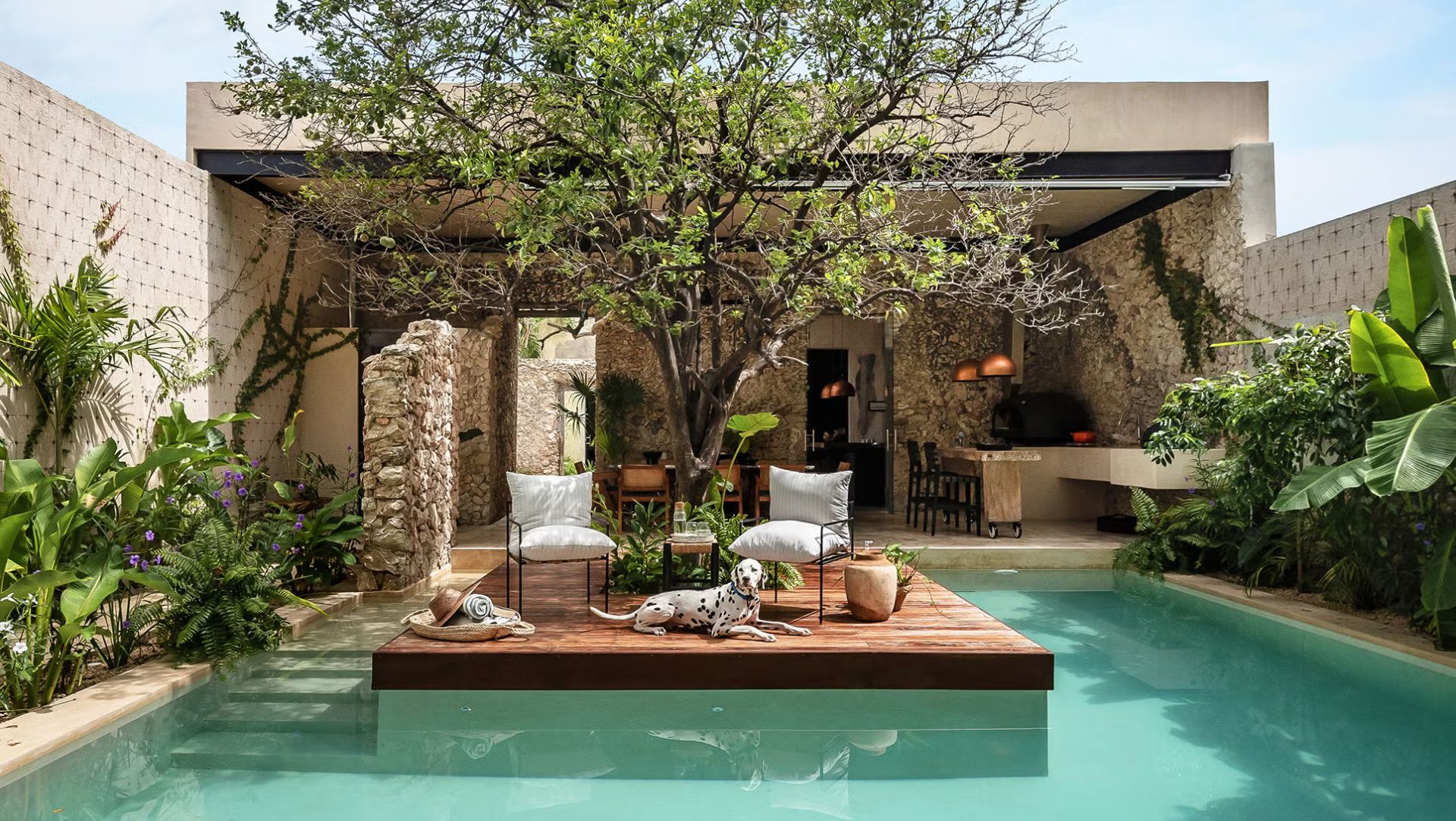
Mexican house design blends architecture, culture, history, craft, and natural beauty into homes that feel warm and full of life. It’s a style that’s all about sun, fresh air, outdoor living, natural materials and character.
This type of style is very suitable for homeowners in Marbella. Costa del Sol is just like Mexico, sun, heat, sea views, terraces, pools and a lifestyle geared towards entertaining. As a result, Marbella Constructions can assist in the development of spaces that are inspired by Mexican homes but are also able to adjust the construction to the local regulations, climate, site conditions and modern comfort.
What is Mexican House Design?
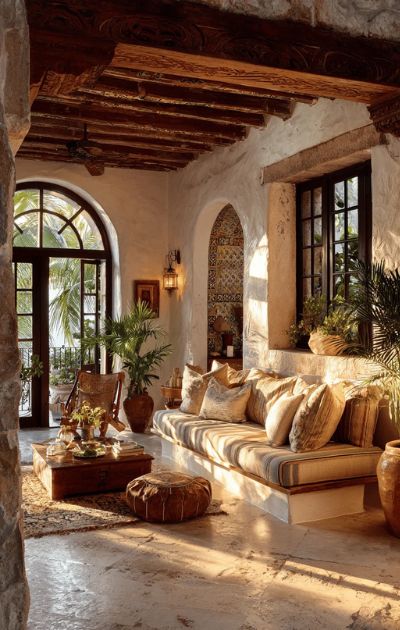
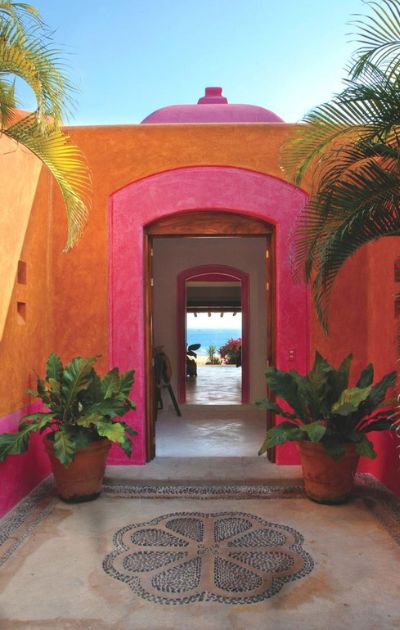
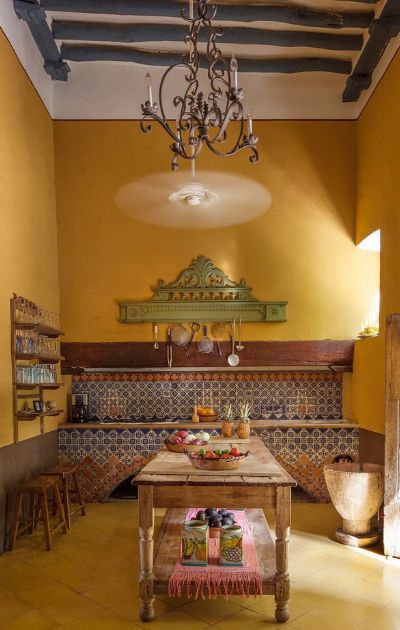
The style of Mexican house design incorporates many warm natural finishes, textured walls, handmade details, courtyards, natural light, and a seamless connection between the interior and exterior spaces.
It may be rustic and traditional with terracotta floors and wood beams. But it can also be modern, featuring clean lines, concrete, glass, and large windows. The gist remains: the house is in touch with nature, family, culture and daily life.
A number of Mexican homes contain:
- Walls with textured plaster or stucco.
- Terracotta, stone, concrete or tile floors
- Wood beams, doors, shutters and open shelving
- Courtyards, patios, terraces, and shaded outdoor rooms.
- Artisan details and handmade tiles.
- Large windows and glass doors are used.
- Natural light and fresh air.
- Vibrant color used with earthy tones
Whereas some designs are just about looks, Mexican design can begin with the lifestyle of people. It facilitates family dining, quiet afternoons, friends together and easy flow between inside and outside.
The reason why the houses in Mexico are so warm and inviting.
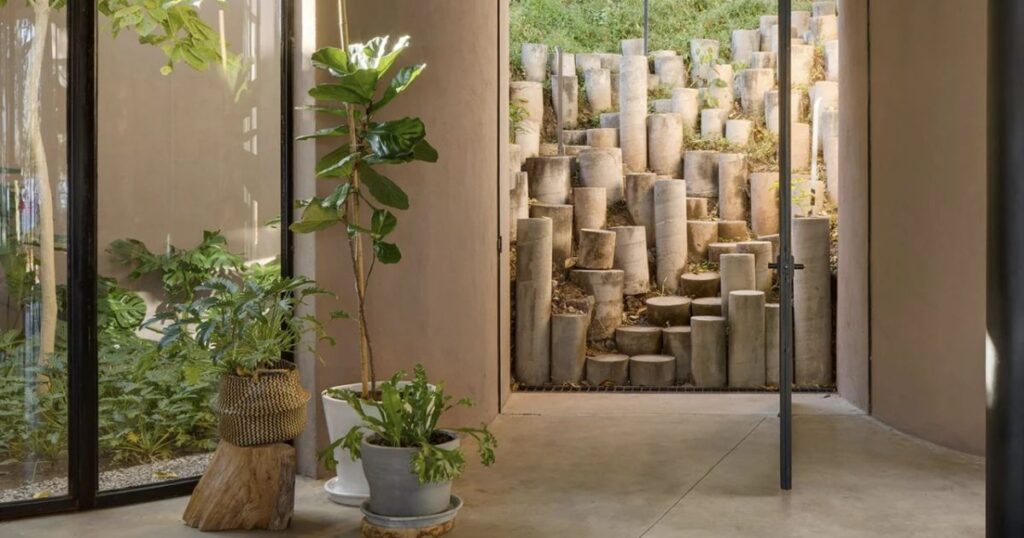
Mexican houses are warm because they are made of materials that age well. Clay, wood, stone, lime plaster, iron and concrete all gain depth with time. The house therefore has a lived in feel as opposed to cold or superperfect.
Natural finishes also help to ground the interiors, which are warm. A polished concrete floor can have a modern feel, but combined with wood flooring, rugs, plants and plaster walls, it softens up. Similarly, stone walls and terracotta floors add a touch of tradition without being dated.
Another way Mexican homes are welcoming is because of the emphasis on shared space. Kitchens, dining rooms, courtyards and terraces are often the focus of the house. These spaces are not only functional but also aesthetically pleasing, making them perfect for everyday living and entertaining.
The main characteristics of Mexican house design are as follows:
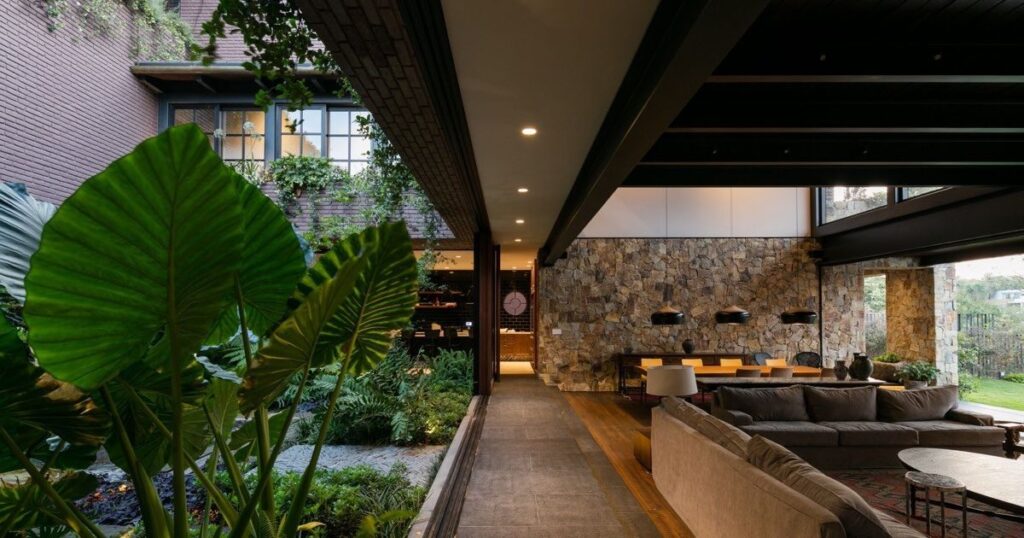
1. Warm Natural Finishes
Natural finishes are one of the most crucial aspects of Mexican house design. They provide texture, depth and comfort.
Common finishes include:
- Terracotta tile
- Saltillo-style floors
- Natural stone
- Lime plaster
- Stucco walls
- Wood beams
- Handmade ceramic tile
- Polished concrete
- Wrought iron
- Fabrics and rugs made with weaving.
In Marbella, these materials are particularly effective, as they harmonize with the Mediterranean light. Terracotta, stone and limewash also blend with the natural colors of the south of Spain.
2. Natural light and fresh air.
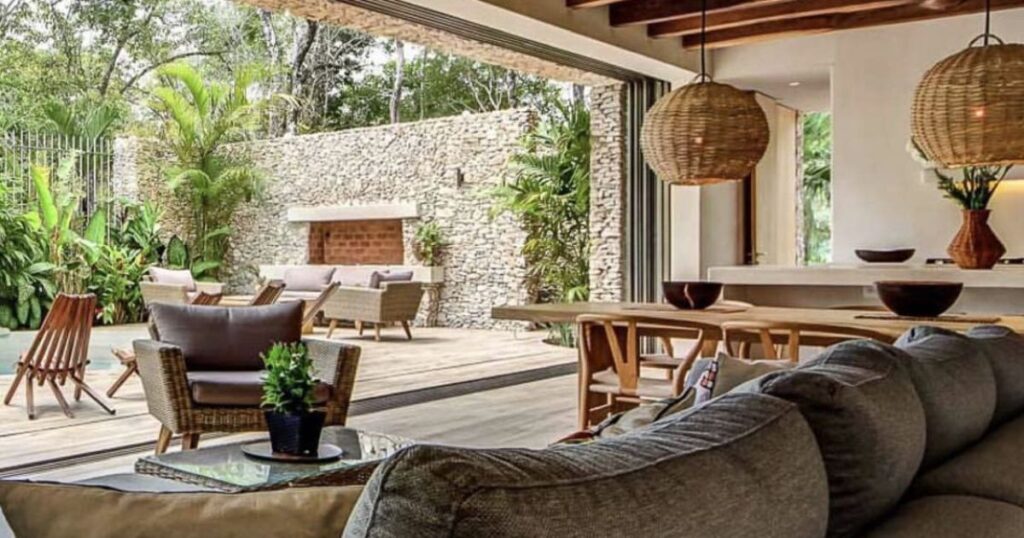
Light is a key element in Mexican design. It helps to create a more spacious, serene, and natural interior environment. Sunlight is taken into the house by large windows, skylights, courtyards and glass doors.
But good design also regulates heat. Excessive direct sunlight can make a house uncomfortable in warm climates such as Puerto Vallarta, Puerto Escondido, San Diego and the Pacific Ocean coast. So, shading is as important as glass.
Helpful heat-control features include:
- Deep roof overhangs
- Pergolas
- Timber screens
- Courtyard trees
- Shutters
- High-performance glass
- Cross-ventilation
- Covered terraces
These are all taken into account by Marbella Constructions in the planning and building phase. The objective is to make brilliant rooms without making the house too hot.
3. Outdoor Living and Courtyards
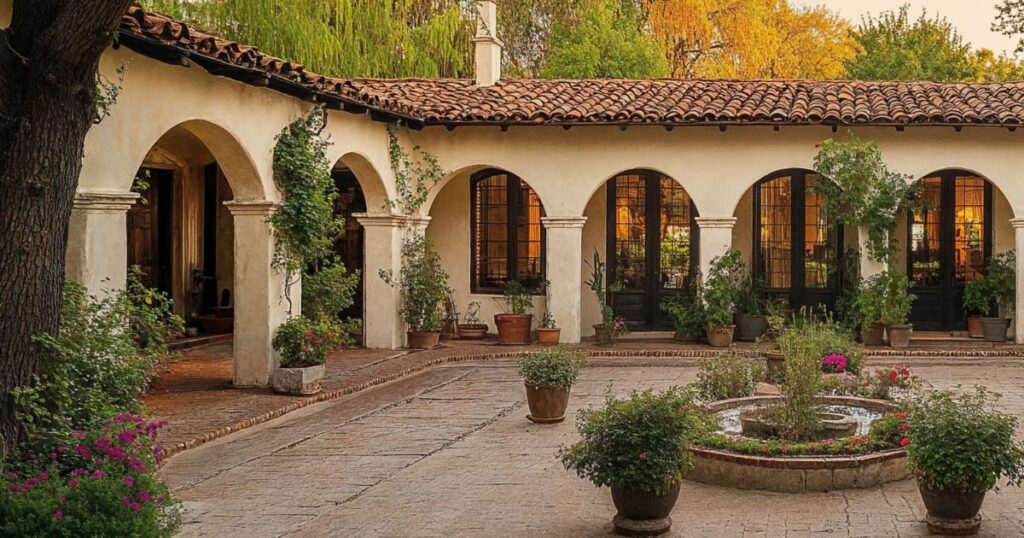
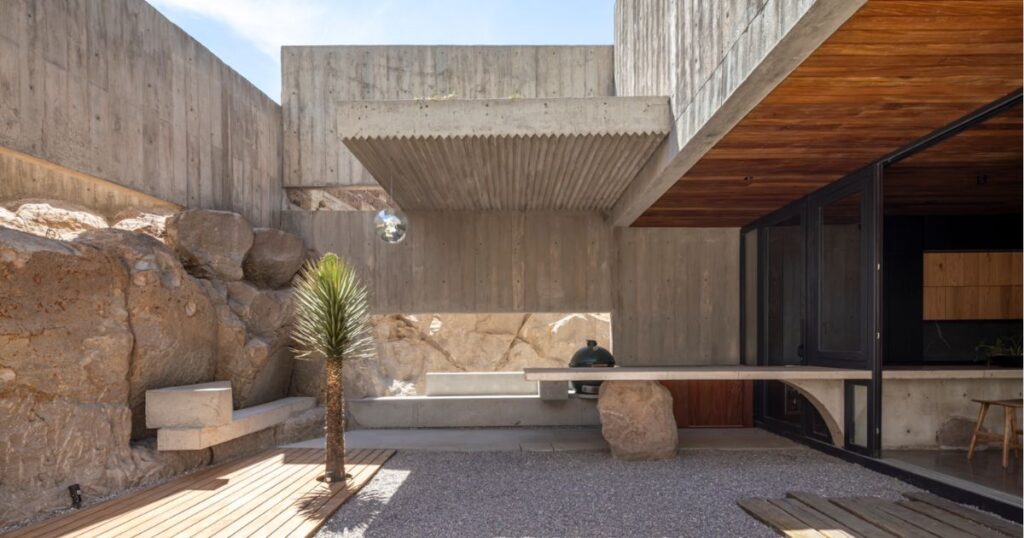
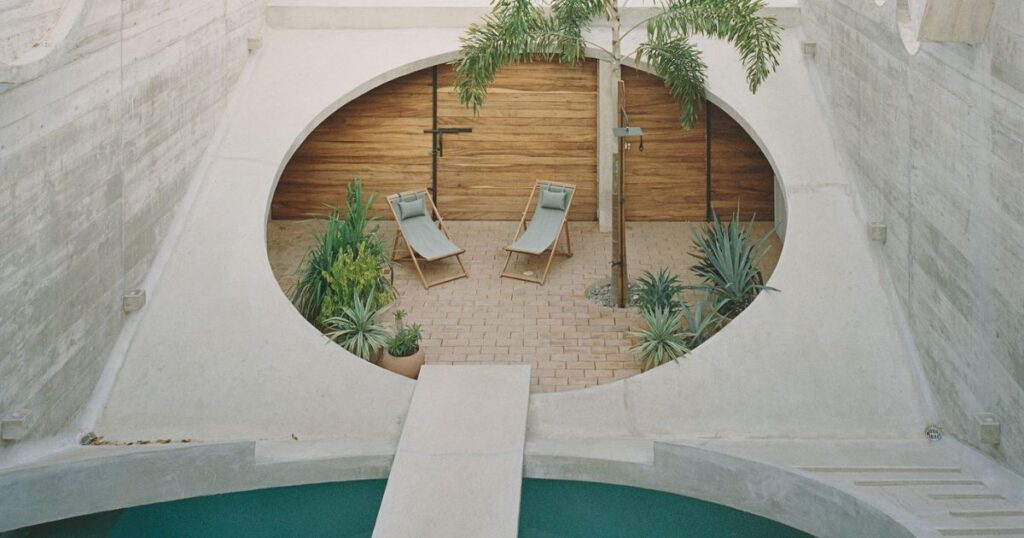
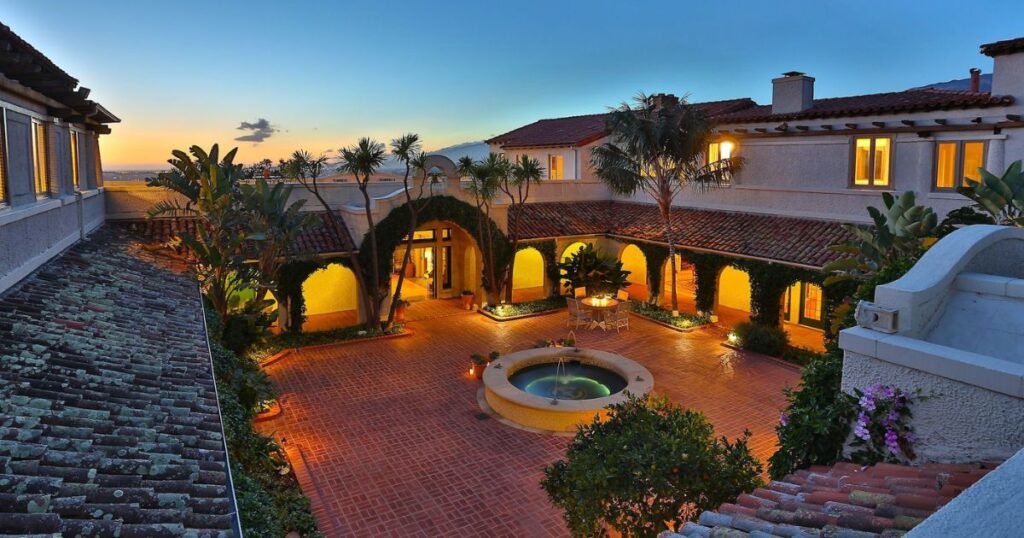
One of the most beautiful, Mexican homes have courtyards. They are traditionally used to introduce light, privacy, plants and fresh air into the heart of the home. They also provide a quiet area, away from the street.
A Mexican style courtyard can feature:
- A small tree or sculptural plant.
- Stone or terracotta floors are used.
- A fountain or water feature
- Built-in seating
- Textured walls
- Lanterns/wall lights
- Climbing plants
- Arched openings
Courtyards are suitable for villas, townhouses and houses on small plots in Marbella. They can provide privacy without sacrificing the interiors’ natural light and open space.
4. Textured Walls and Thick Surfaces
Thick walls are also common in traditional Mexican homes to regulate the temperature. These walls offer shade, privacy and a good sense of structure. They also make deep window reveals that enhance the exterior and interiors.
This can be achieved today using modern construction methods. Walls can be handcrafted and comply with modern building requirements using textured plaster, stucco, limewash, microcement or stone.
This is one of the areas where expert construction is important. A wall finish should not only look great in pictures. It must also be moisture-resistant, heat-proof, crack-proof, and wear-proof.
5. Color, Pattern and Vibrant Details.
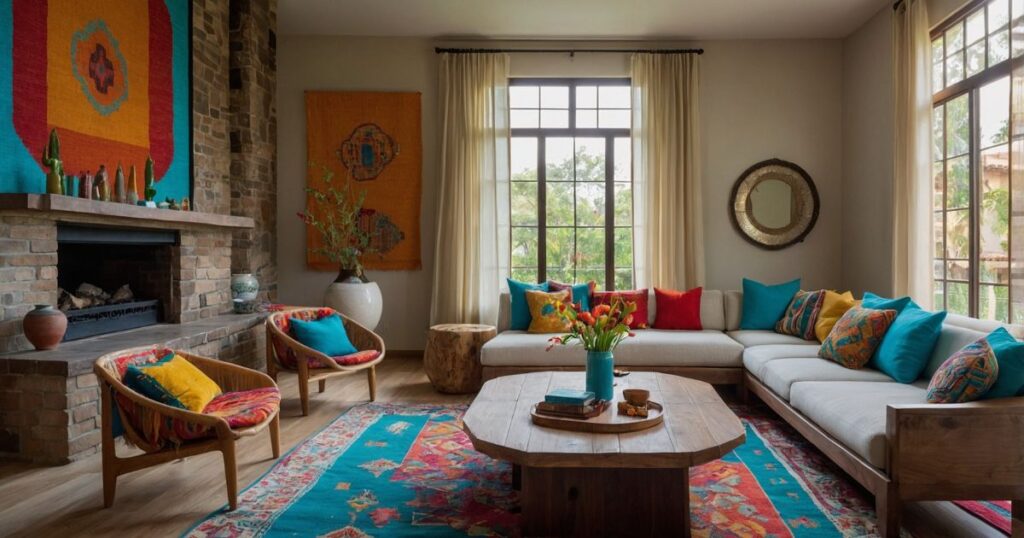
Although Mexican design is renowned for its color, the best homes apply color in a controlled manner. Excessive bright walls, rugs, tiles and painted details can become overstimulating. But a well-rounded palette can be full and classic.
Popular Mexican color ideas are:
- Terracotta
- Clay red
- Ochre
- Cobalt blue
- Deep green
- Cream
- White
- Sand
- Rust
- Warm brown
- Soft black
- Sunflower yellow
To achieve a modern Mexican look, opt for white or cream walls, and add accents in tiles, pottery, doors, rugs, or artwork. It helps to maintain the tranquility of the house and yet gives a personal touch.
Traditional vs Modern Mexican House Design
There are numerous types of Mexican architecture. Some houses are very traditional and others are one of the most beautiful contemporary houses in the world. The selection depends on the location, lifestyle, budget and design concept.
| Feature | The design of traditional Mexican homes is a reflection of the country’s history and culture. | Modern Mexican House Design |
|---|---|---|
| Main materials | Clay, wood, stucco, stone, tile | Concrete, Glass, Wood, Stone |
| Layout | Courtyards and patios, walls that are thick. | Open spaces, clean lines, large windows |
| Color | Earthy and vibrant | Neutral with warm accents |
| Interiors | Layered, rustic, handcrafted | Minimal, calm, curated |
| Exterior | Arches, tiled roof, ironwork | Simple volumes, flat roof, glass |
| Best for | Character and tradition | Modern living in style. |
Traditional Mexican House Design
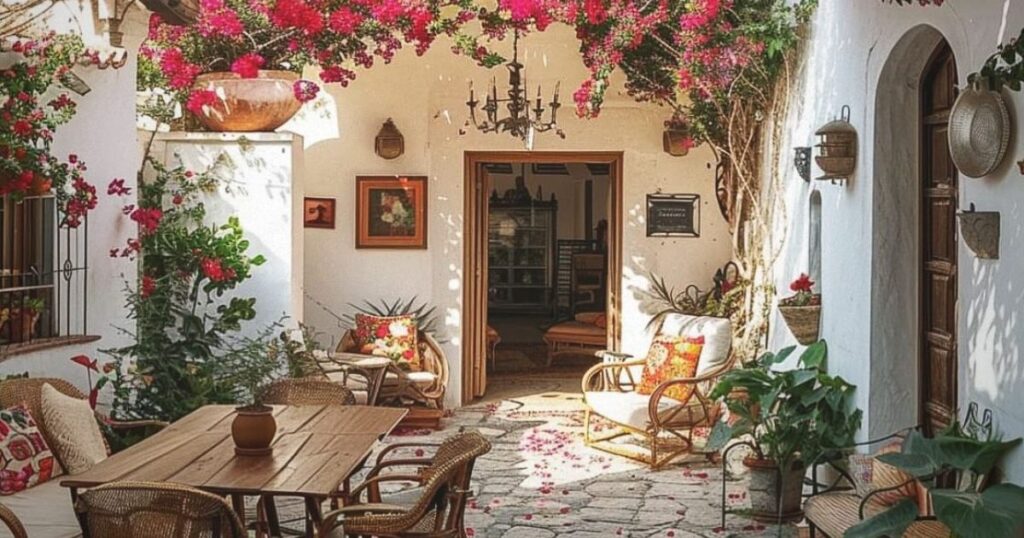
Terracotta floors, timber beams, arched doorways, decorative tile, courtyards, and strong exterior walls are typical features of traditional Mexican houses. The elements give a sense of history and permanency.
The haciendas style houses are a classic example. They are typically spacious with high ceilings, covered walkways, tiled roofs, and large courtyards, as well as lots of entertaining space. This style can be ideal for Marbella villas as it is conducive for outdoor dining, pool areas, guest rooms and family living.
The houses of colonial Mexico have some characteristics of Spanish architecture, including clay roof tiles, balconies, ironwork and stucco walls. But Mexican design frequently brings in more handmade craft, rustic texture and color.
Modern Mexican House Design
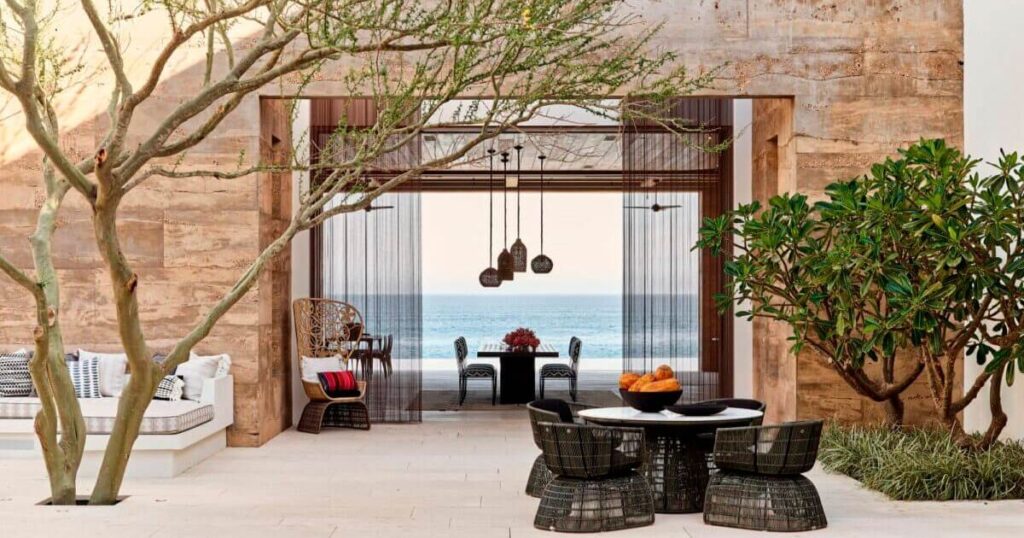
Contemporary Mexican home decor is a fusion of sleek lines and natural warmth. Concrete, glass, wood, stone and open layouts are common materials used by architects. The end product is modern but not sterile.
This balance is evident in many modern homes in Mexico City, Valle de Bravo, Puerto Escondido and Puerto Vallarta. The walls of a house can be simple concrete, and there can be large windows looking out to trees, water or mountains. Then, the architecture is softened by wood ceilings, woven rugs, clay pottery and natural landscaping.
This is a very practical solution for Marbella homeowners. It is possible to enjoy a modern villa with efficient systems, clean construction and luxury finishes without losing the warmth of Mexican design.
Ideas for Mexican Interior Design in Each Room
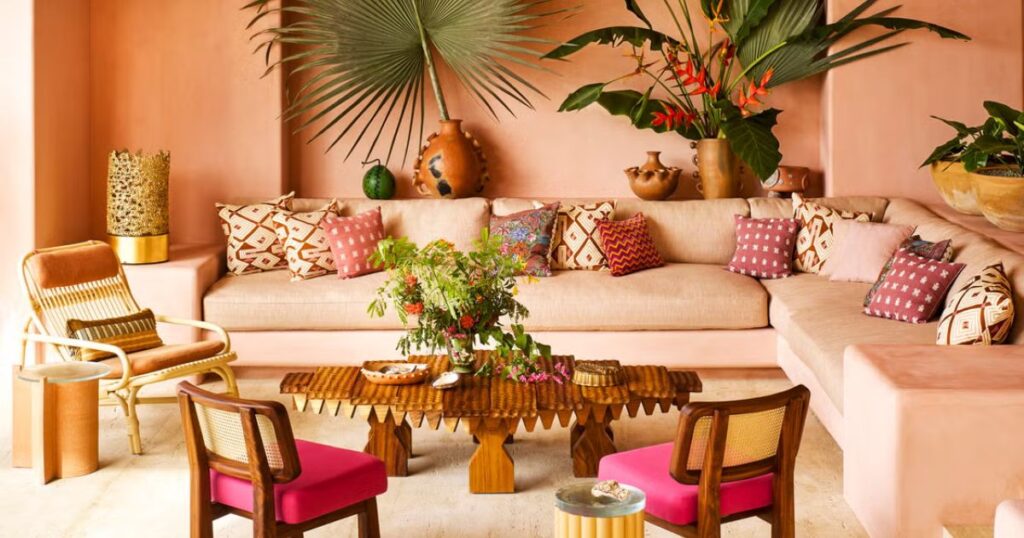
Mexican Living Room Design
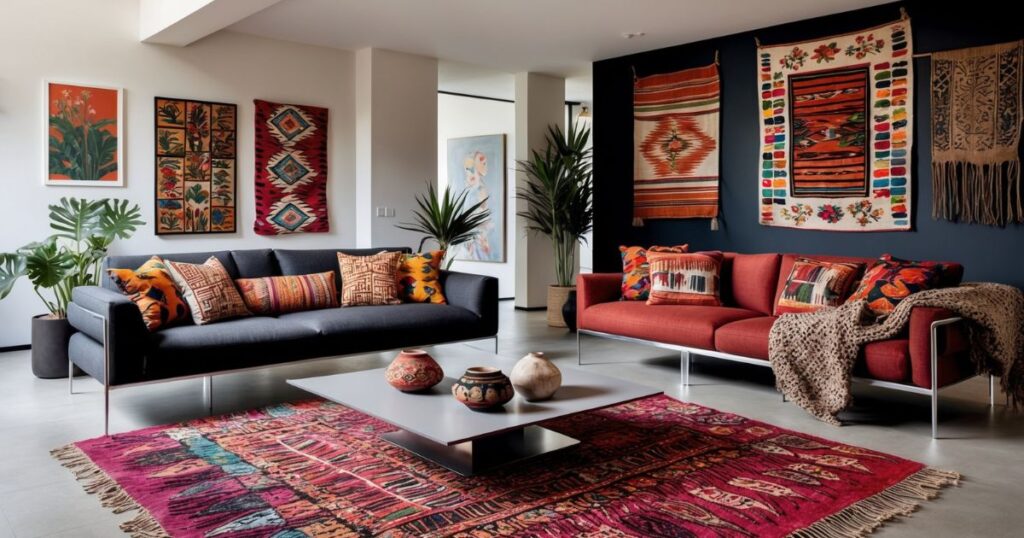
A Mexican themed living room should be relaxed, warm and social. Use natural floors, soft plaster walls, comfortable seating and good light. Then, bring some character with textiles, pottery, plants and art.
Here are some of the best living room ideas:
- Spacious windows for daylighting.
- Wood side tables or coffee tables
- Woven rugs
- Cushions made of linen or cotton.
- Clay pots and handmade ceramics.
- Textured walls
- Warm lamps and sconces, place them in the room.
- Indoor plants
- A fireplace or built in feature wall
The idea is not to fill every corner. Rather, provide an open, comfortable and personal area.
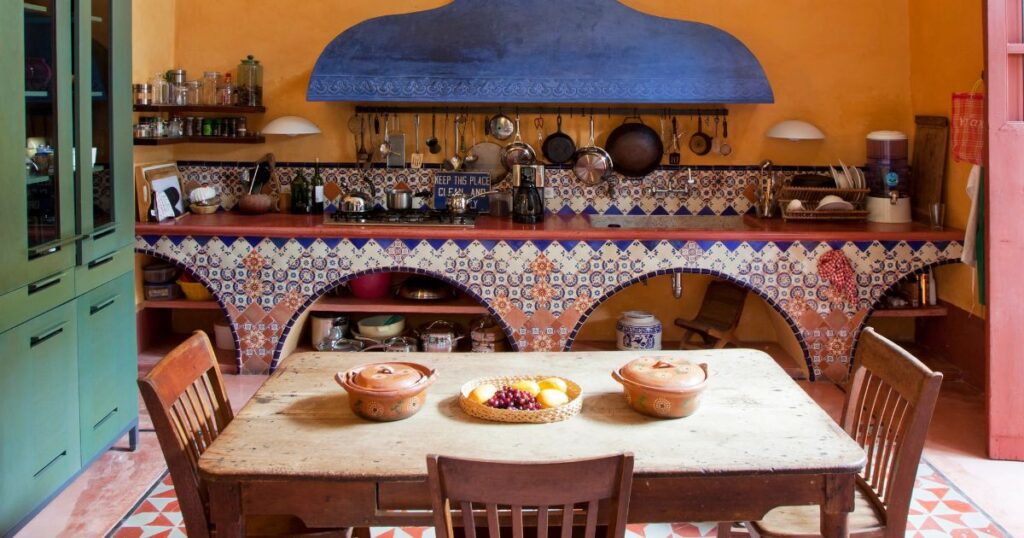
Mexican Kitchen Design
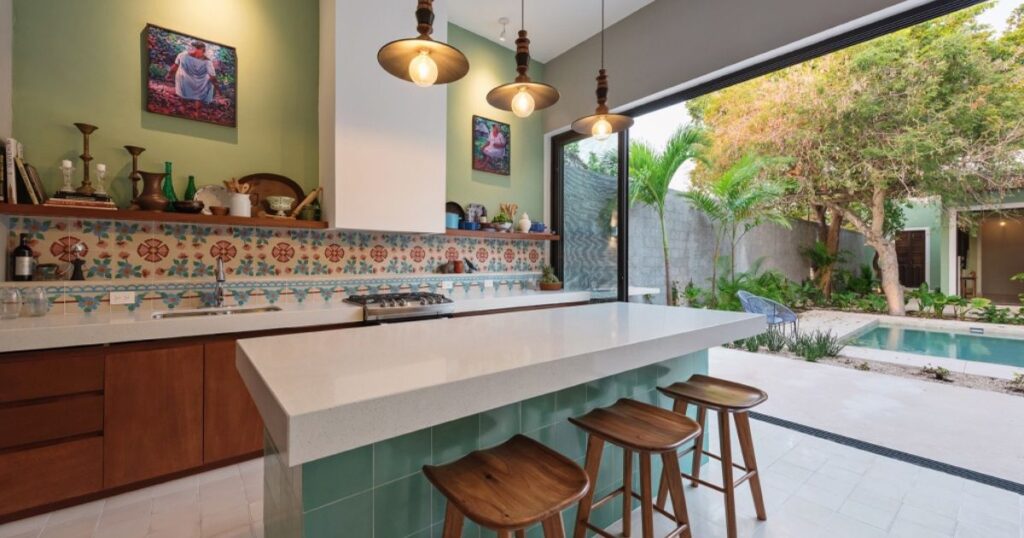
Often times, the kitchen is one of the best rooms for Mexican interior design. Open shelving, handcrafted tile, wood cabinets, stone counters and warm lighting all belong.
Elements of a Mexican-inspired kitchen can involve:
- Open shelving for pottery, plates.
- Handmade tile backsplash
- Wood cabinets or doors
- Stone or Concrete Countertops
- Brass, copper or black metal fixtures
- Big dining table or island
- Access to an outdoor terrace.
For contemporary homes, keep the cabinet lines simple. Then incorporate Mexican design with materials, not clutter. One tile feature wall can be more effective than tiled patterns everywhere.
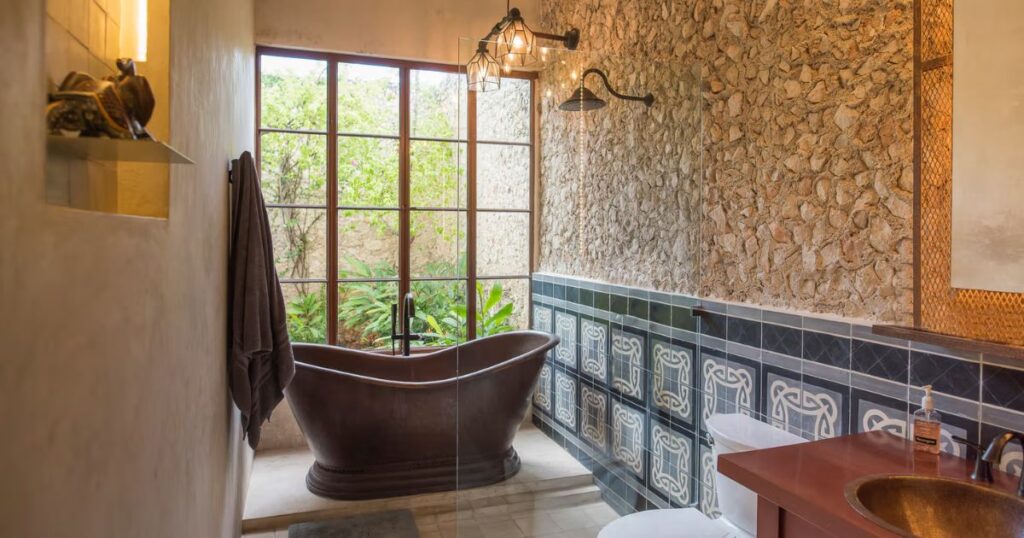
Mexican Bathroom Design
The Mexican bathroom can be earthy and luxurious at the same time. Tiles, plaster walls, stone sinks and wood vanities are all handmade to create a spa-like atmosphere.
Bathroom features to include:
- Walk-in shower
- Patterned tile floor
- Basin made of stone or concrete.
- Brass fixtures
- Built-in wall niches
- Skylight or high window
- Plants
- Warm wall lighting
Waterproofing and ventilation are important aspects of bathroom construction in Marbella. Marbella Constructions can assist in bringing together the design appearance and correct technical construction, which is vital in long-term performance.
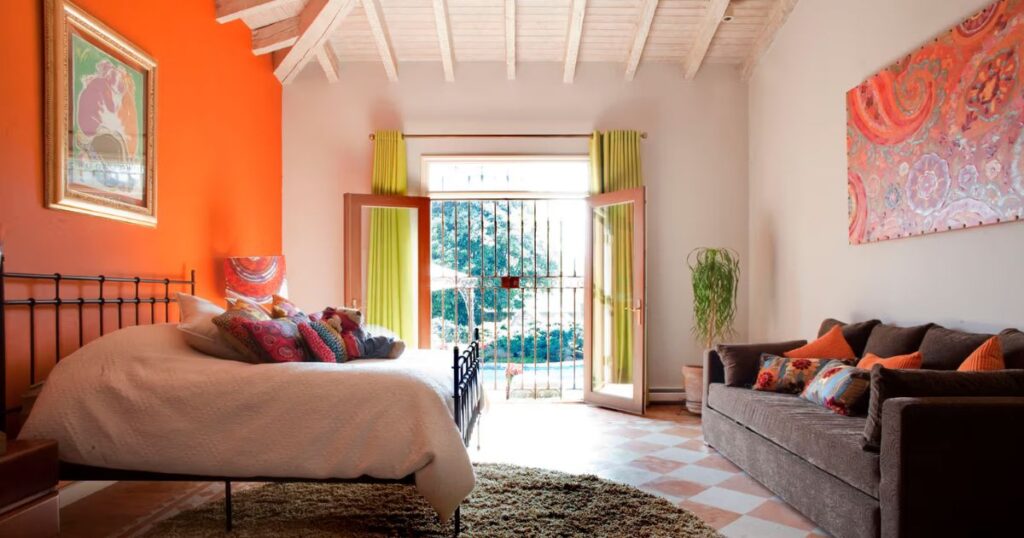
Mexican Bedroom Design
A Mexican bedroom ought to be serene and organic. Provide warm walls, linen bedding, wood furniture, woven rugs, and soft lighting. If there are large windows, dress them with simple curtains or shutters.
Carved wood, patterned fabrics and terracotta floors complete the picture for a more traditional style. For a modern style, opt for neutral colors, straight lines and a single or two handmade accents.
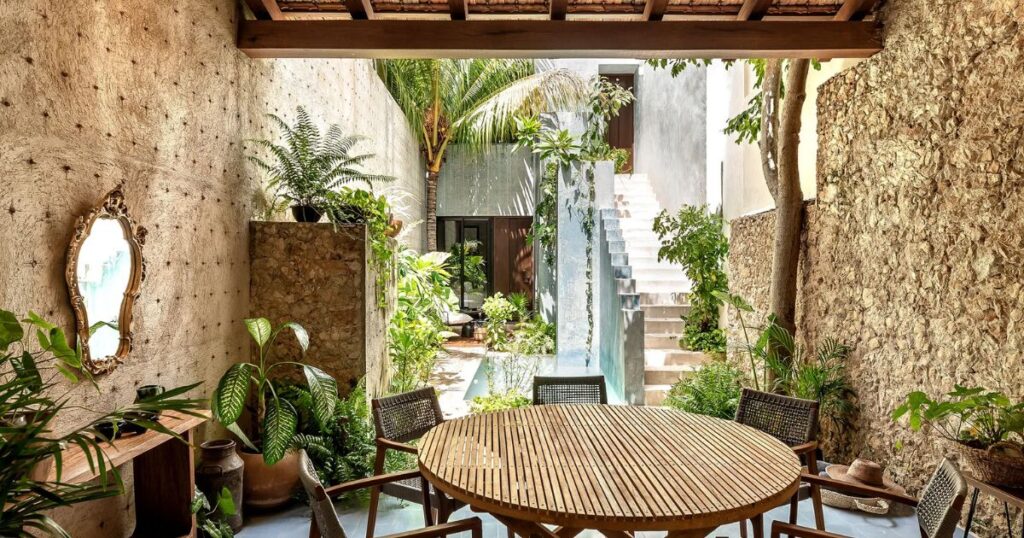
Outdoor Kitchen and Entertaining Area in Mexico.
The Mexican house places a great emphasis on outdoor living. This concept is ideal for Marbella’s lifestyle.
Some of the elements of an outdoor entertaining area can be Mexican, such as:
- Built-in barbecue or outdoor kitchen
- Shaded pergola
- Counters made of stone or tile
- Outdoor dining table
- Built-in seating
- Fireplace or fire pit
- Poolside lounge area
- Drought-tolerant landscaping and terracotta pots
These areas are exposed to the elements, heat, moisture and heavy usage, so the choice of material is important. Durability, good drainage, lighting and weatherproofing are must haves.
Mexican House Exterior Details
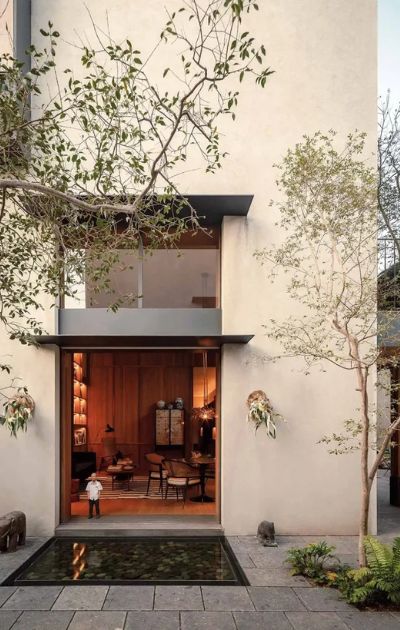
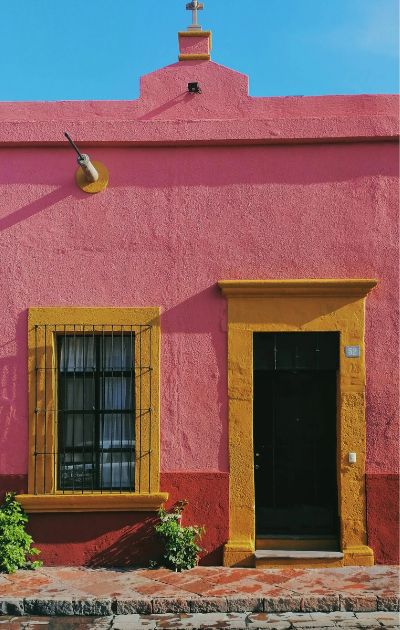
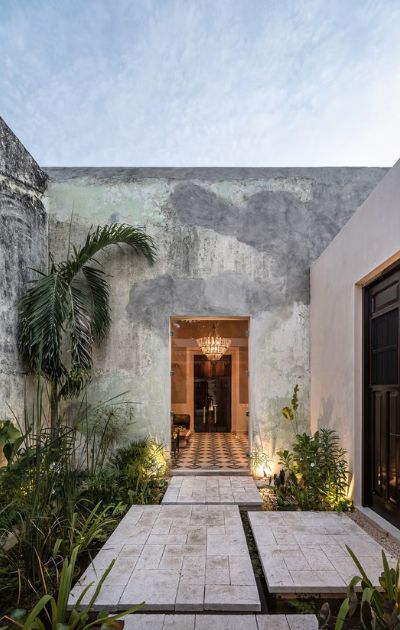
Mexican-Style Facades
The exterior of a Mexican style house tends to be solid, warm and inviting. Some typical characteristics are clay roof tiles, planted entrances, iron gates, wooden doors and natural stone.
Street view can be very basic and private. Inside, though, the house can open up to a verdant courtyard, terrace or pool. This combination of privacy and openness is one of the most evocative aspects of Mexican architecture.
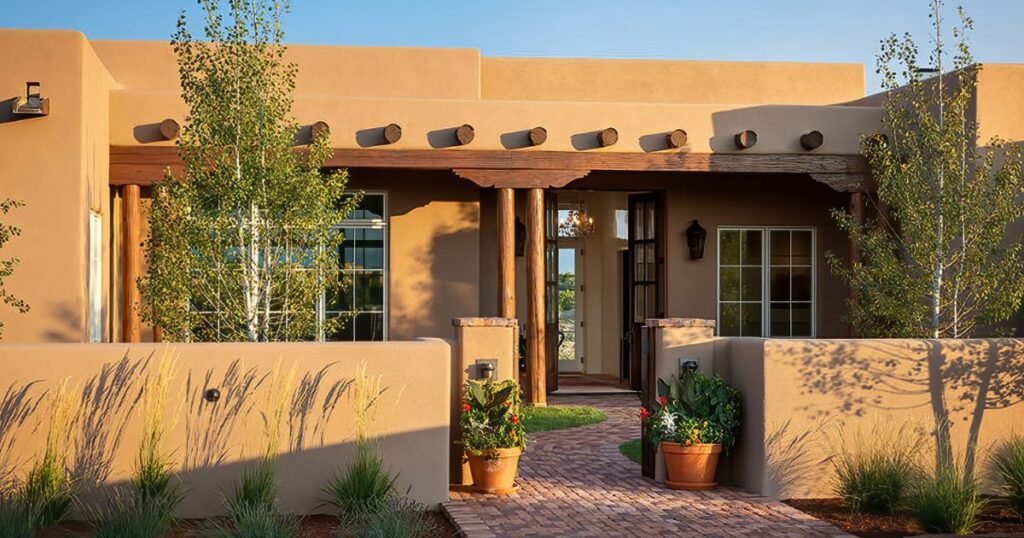
Roof Styles in Mexican House Design
The roofs of the houses in Mexico vary according to region, location and time. Clay tile roofs are common on traditional houses and flat roofs or roof terraces are common on contemporary houses.
Common options include:
- Clay tile roofs
- Flat concrete roofs
- Roof terraces
- Pergola-covered roof spaces
- Deep overhangs
- Roofs with exposed beams (pitched roof).
In Marbella, the roof should be appropriate for the local planning regulations, waterproofing requirements, insulation requirements, and the overall aesthetic of the home. Marbella Constructions can assist clients in making these decisions during design and construction planning.
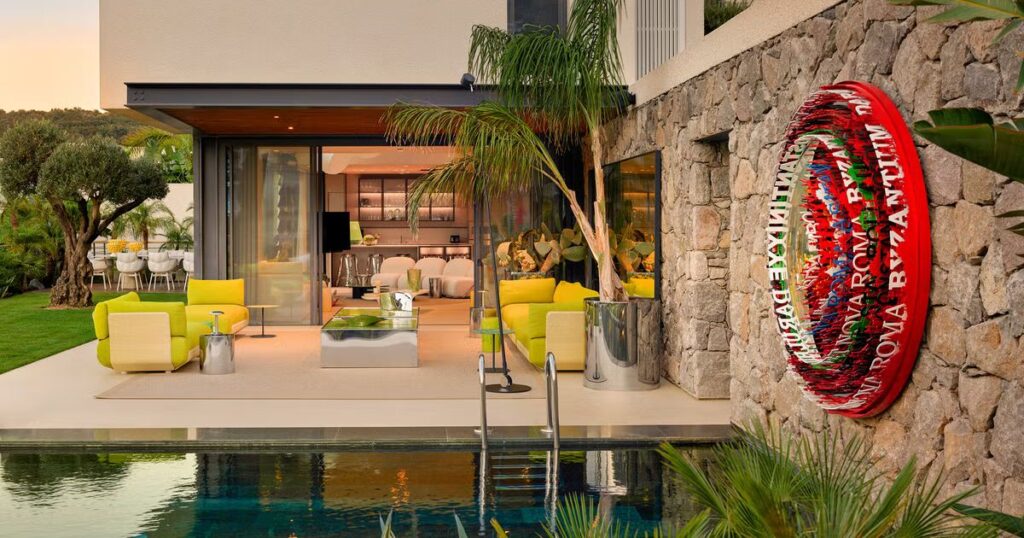
The design of pools and terraces.
A pool can be the focal point of a Mexican-themed villa. Don’t think of the pool as a standalone feature, but rather as a part of the terrace, landscaping, and living spaces!
Incorporate natural stone paving, planted edges, handmade tile accents, outdoor showers, sunken loungers and warm night lighting. This gives the resort vibe while maintaining the earthy charm of Mexican design.
Top Materials for Mexican House Designs
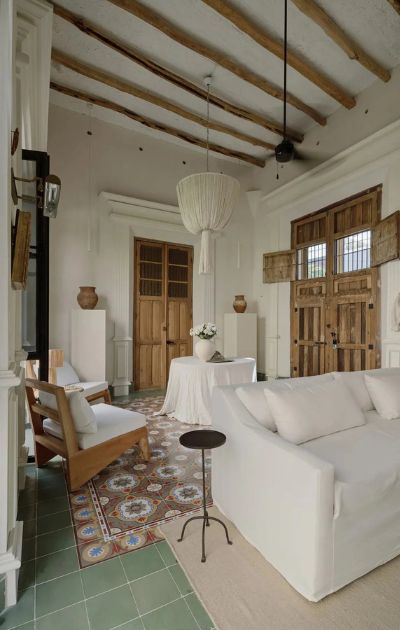
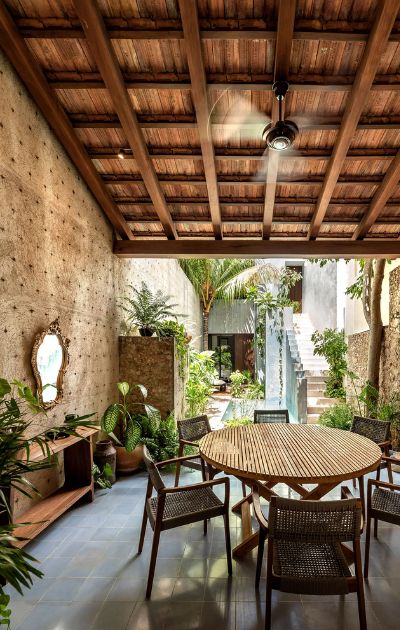
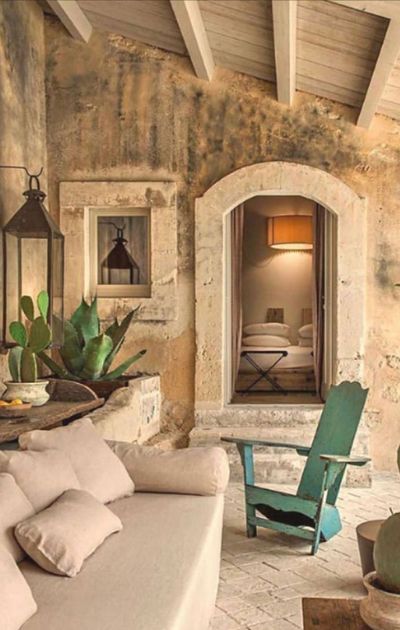
Materials add the soul to Mexican house design. The correct selection provides warmth, texture and durability.
| Material | Best Used For | Design Effect |
|---|---|---|
| Terracotta | Floors, roofs, pots, patios | Warm, rustic, traditional |
| Stone | Walls, floors, landscaping | Natural, strong, timeless |
| Wood | Beams, doors, shelves, furniture | Warm and welcoming |
| Concrete | Floors, walls, counters | Modern and durable |
| Glass | Windows, doors, views | Bright and open |
| Tile | Kitchens, bathrooms, stairs | Artistic and colorful |
| Lime plaster | Walls and ceilings | Soft, natural, breathable |
| Iron | Gates, lighting, railings | Traditional and strong |
Terracotta and Clay
One of the most familiar materials of the Mexican house is terracotta. It is suitable for floors, patios, roof tiles, pots and decorative features. It provides warmth on the spot.
But proper sealing and maintenance are required for terracotta. For a high use area, select a durable tile that has the appropriate finish for slip resistance and cleaning.
Stone
Stone is a heavy, beautiful, and enduring addition. It’s suitable for exterior walls, fireplaces, garden paths, pool decks, and feature walls.
Using local or regional stone can give a Mexican feel to Marbella while at the same time make it feel like it belongs. This is significant since good design must take into account the location and not blindly copy a style.
Concrete, Glass, and Wood
In modern Mexican architecture, concrete, glass and wood are used. Concrete provides structure and clean lines. Glass provides natural light and views. Wood adds warmth and human scale.
These materials combine to make elegant contemporary homes. They must be carefully detailed, however, to address issues of heat, glare, privacy and comfort.
Mexican House Design Color Palettes
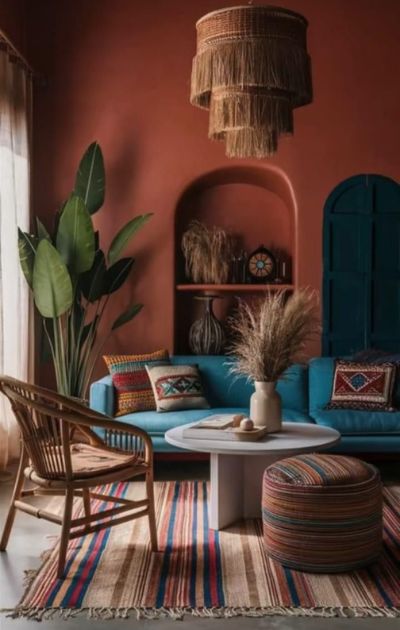
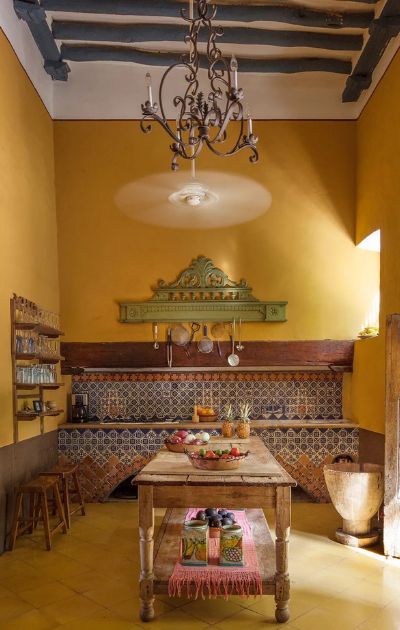
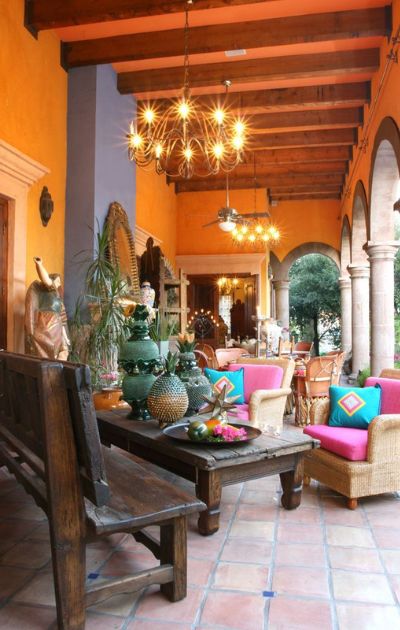
Although color is a huge part of Mexican design, the color palette doesn’t have to be loud. Earthy colors, dotted with small pops of bright color, are common to many of the finest Mexican homes.
| Palette | Colors | Best For |
|---|---|---|
| Classic Mexican | Terracotta, cobalt blue, yellow, green, red | The traditional interior and courtyard. |
| Earthy Mexican | Sand, clay, cream, rust, olive, brown | Villas and rustic houses that are calm. |
| Modern Mexican | White, grey concrete, black metal, wood, toned terracotta. | Contemporary homes |
| Coastal Mexican | White, turquoise, sea blue, palm green, weathered wood. | Beach houses/pool areas |
Earthy and coastal color schemes are particularly effective for Marbella homes. They blend in with the sea, mountains, stone and Mediterranean light.
Mexican House Design for Marbella Homes
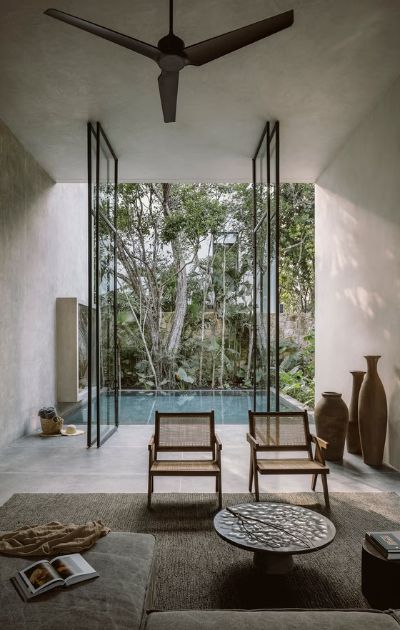
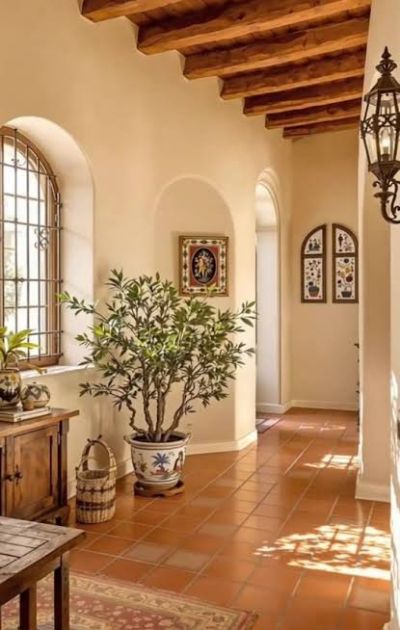
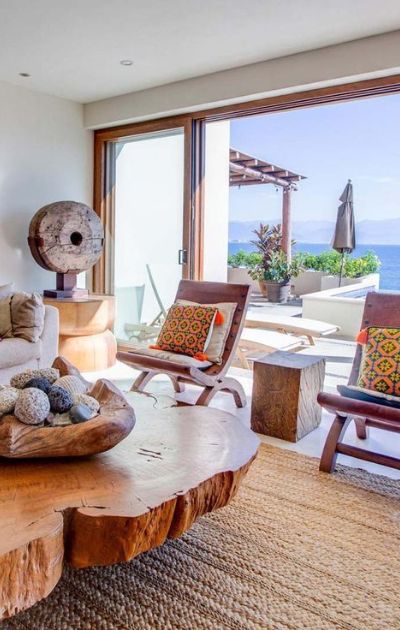
Marbella and Mexico have an affinity for sun, outdoor living and relaxed living, which makes Mexican house design an ideal fit for Marbella. A Mexican-style house can appear to be in harmony with the environment in Marbella if the appropriate materials are used.
Marbella Constructions can assist you with:
- New villa construction
- Luxury home renovation
- Inside and outside renovations
- Wall and floor finishes tailored to the individual’s needs
- Renovating the kitchen and bathroom.
- Pond and swimming pool building and refurbishment
- Terrace and outside living spaces.
- Landscaping coordination
- Project management
- Material sourcing
- The construction site quality control.
Adaptation is the key. Your house in Marbella shouldn’t be a theme park version of Mexico. Rather, it should be inspired by Mexican architecture and combine this with Mediterranean lifestyle, Spanish construction standards and the client’s taste.
For instance, a Marbella villa may feature a Mexican style courtyard, but use drought resistant landscaping and local stone. You can include handmade tile in the kitchen, but combine it with contemporary appliances and clean cabinetry. It can feature large windows and glass doors, and also have shading to help regulate heat.
Mexican House Design Inspiration by Location
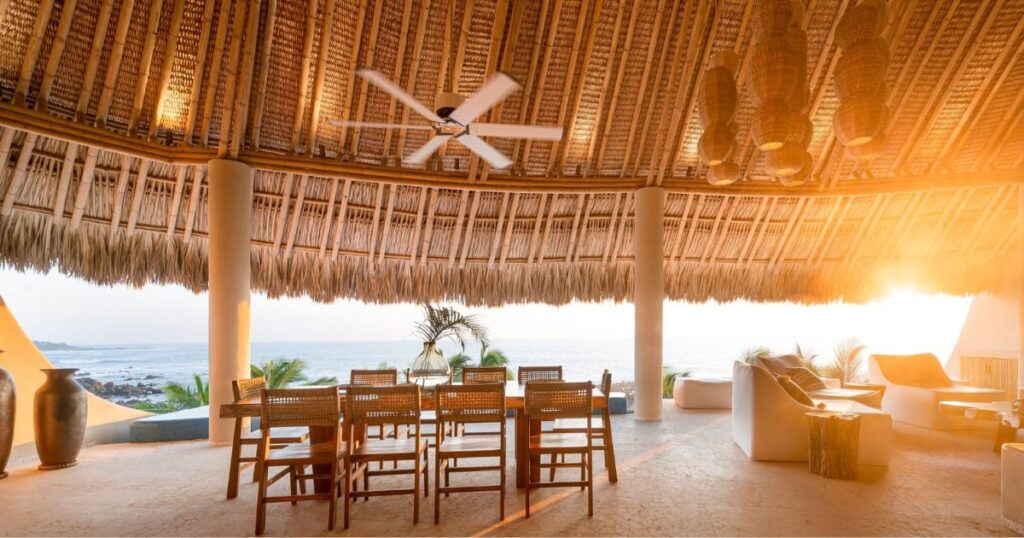
Valle de Bravo
Valle de Bravo homes frequently evoke a sense of forest, mountains and water. They incorporate stone, wood, large windows, fireplaces and natural materials. This style is best for those who wish to have a serene and natural home.
Puerto Escondido
Puerto Escondido is the inspiration for coastal Mexican design. Many of the homes there feature open floor plans, roofs that shade, fresh air, natural materials and a casual attitude toward the Pacific Ocean. Beach-inspired villas and pool areas look great in this style.
Puerto Vallarta
Puerto Vallarta villas are located frequently on hillsides that look down on the ocean. They feature terraces, pools, large windows, planted walls and indoor-outdoor living. Luxury, nature and warmth are combined in the style.
Mexico City
Mexico City contemporary homes demonstrate that Mexican architecture can be used in dense urban environments. Courtyards, concrete, glass, clean lines and intelligent space planning are used by many to achieve privacy and light.
San Diego
San Diego homes often include Mexican and Spanish influences. The architecture of the city features stucco walls, clay roofs, courtyards, arches and outdoor entertaining spaces. It’s a testament to the success of Mexican design in sunny coastal areas.
Budget Mexican house design ideas
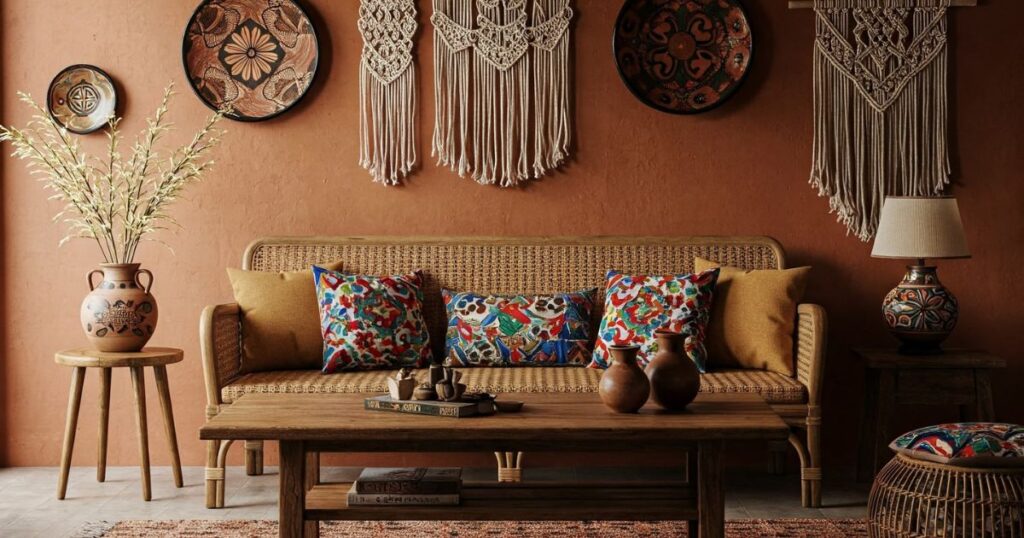
It doesn’t take a lot of work to introduce Mexican design into a home. Little things can make a big difference.
| Budget Level | Best Mexican Design Ideas |
|---|---|
| Low | Terracotta pots, rugs, cushions, plants, painted doors, pottery. |
| Medium | Handmade tile, plaster walls, wood doors, pergola, bathroom upgrade |
| High | Courtyard, pool, outdoor kitchen, custom stonework, full villa construction. |
Budget-Friendly Ideas
Focus on color, plants, pottery, textiles and lighting. Include woven rugs, clay pots, cozy lamps and a few handcrafted items. These modifications can give the area a Mexican ambiance without extensive building.
Mid-Range Upgrades
To make a more complete metamorphosis, change floors, add textured plaster walls, tile backsplashes, replace doors or develop a shaded terrace. These enhancements alter the character and atmosphere of the home.
High-End Construction Ideas
If you’re looking for a luxury project, then opt for a complete Mexican-inspired villa design. This can be a central courtyard, pool, outdoor kitchen, custom stonework, wood beams, large windows and full interior design coordination.
The Sustainability of Mexican House Design
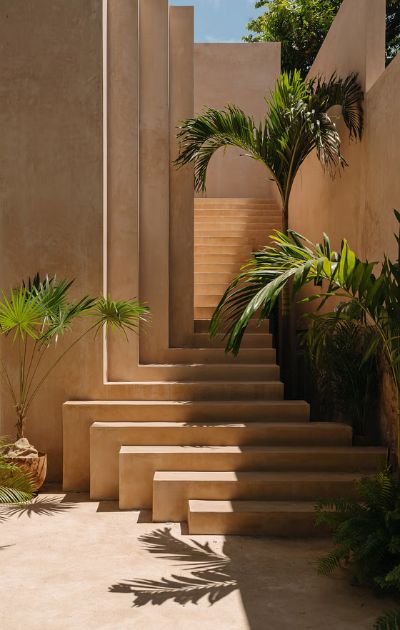
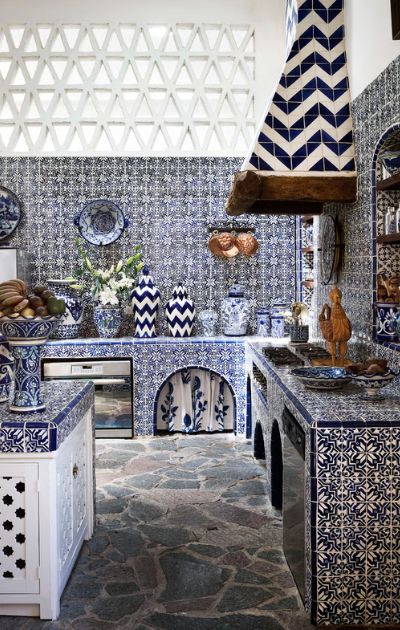
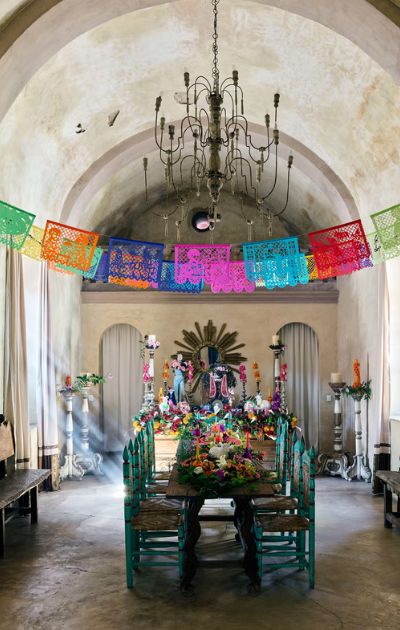
Passive design principles are found in many traditional Mexican homes. These ideas help to cut down on mechanical cooling and are make the house more comfortable.
Sustainable features include:
- Thick walls to provide thermal mass
- Courtyards for airflow
- Shaded patios
- Cross-ventilation
- High ceilings
- Local materials
- Drought-tolerant landscaping
- Water-wise irrigation
- Solar panels
- Glass and insulation that is efficient
Based on the popular green building concepts, passive cooling strategies can be used to decrease the cooling loads if they are designed appropriately. In warm climates, shade and breezes can have a huge impact on comfort.
This is important for Marbella as energy efficiency is no passing fad. It impacts on the comfort, running costs, construction value and long-term property performance.
Some of the most frequent mistakes to avoid in Mexican House Design
How to use Too Many Bright Colors
Mexican design can be colorful and too much color can overpower a space. Opt for neutral walls and introduce color with tiles, rugs, artwork, pillows, doors, and more.
Choosing Fake Materials
Low grade faux stone, faux plastic tiles and thin decorative finishes can compromise the entire design. Authentic texture matters. Even the most basic product is enhanced when it is installed and honest.
Ignoring Heat and Sun
Big windows are great but require shading, insulation and intelligent positioning. Otherwise, the house may become too hot.
Theming the Home
When decorating a Mexican-inspired house, it should be elegant and personal. Don’t overuse clichés in all of the rooms. Rather, think of materials, construction, light and space.
Forgetting Function
Even in a beautiful house, storage, good circulation, lighting, drainage, ventilation and easy maintenance are necessary. Marbella Constructions’ ethos is to combine both aesthetics and function to ensure the finished project is actually usable in real life.
The short answer is the primary components of Mexican house design are:
The key features of Mexican house design include warm, natural finishes, textured walls, handmade tile, wood beams, courtyards and patios, natural light and fresh air, large windows, colorful accents, and indoor/outdoor living.
Simply put, the style is all about using natural materials and intelligent design to build a space that is warm, functional, beautiful and natural.
Here are some of the most common questions about Mexican house design.
What material is used to build houses in Mexico?
Stucco, plaster, clay, stone, wood, concrete, glass, tile and iron are used to build Mexican houses. The specific materials will vary based on the region, budget, and style.
Can Mexican house design be modern?
Yes. Concrete, glass, large windows, open spaces, clean lines and natural materials are common elements in modern Mexican houses. They are modern and yet cosy.
Is Mexican design good for hot climates?
Yes. Heat and fresh air are controlled by courtyards, thick walls, shaded terraces, high ceilings and cross-ventilation.
What colors do you see in Mexican houses?
Terracotta, cream, white, ochre, cobalt blue, deep green, rust, yellow and warm brown are common colors. Softer and earthier tones are used in modern homes.
Is it possible to design a house in Mexico, in Marbella?
Yes. Mexican-inspired homes are perfect in Marbella’s climate and lifestyle. The style is suitable for villas, renovation, terraces, pools, interior and outdoor entertaining areas.
What can I do to make my home look Mexican?
Opt for textured walls, warm natural finishes, handmade tile, wood accents, plants, pottery, woven rugs, shaded outdoor spaces, and strategically placed bright accents.
Conclusion: Make Mexican House Design Come to Life in Marbella.
Mexican house design is warm, natural, practical and has character. It combines architecture, interiors, landscaping, sunlight, fresh air, craft and culture to produce homes that are beautiful and easy to live in.
This is an excellent source of inspiration for the homeowners of Marbella. Courtyards, large windows, pool terraces, warm natural finishes, stone, wood, glass, concrete, open shelving, rugs, plants and shaded entertaining spaces all suit the lifestyle of the local area.
For those who are fans of Mexican house design and want to incorporate its beauty into a Marbella home, Marbella Constructions can help. Whether it’s new villa building, renovations, interiors, pools, terraces, landscaping coordination or project management, our team can assist you in creating a home that is timeless, functional and personal.
