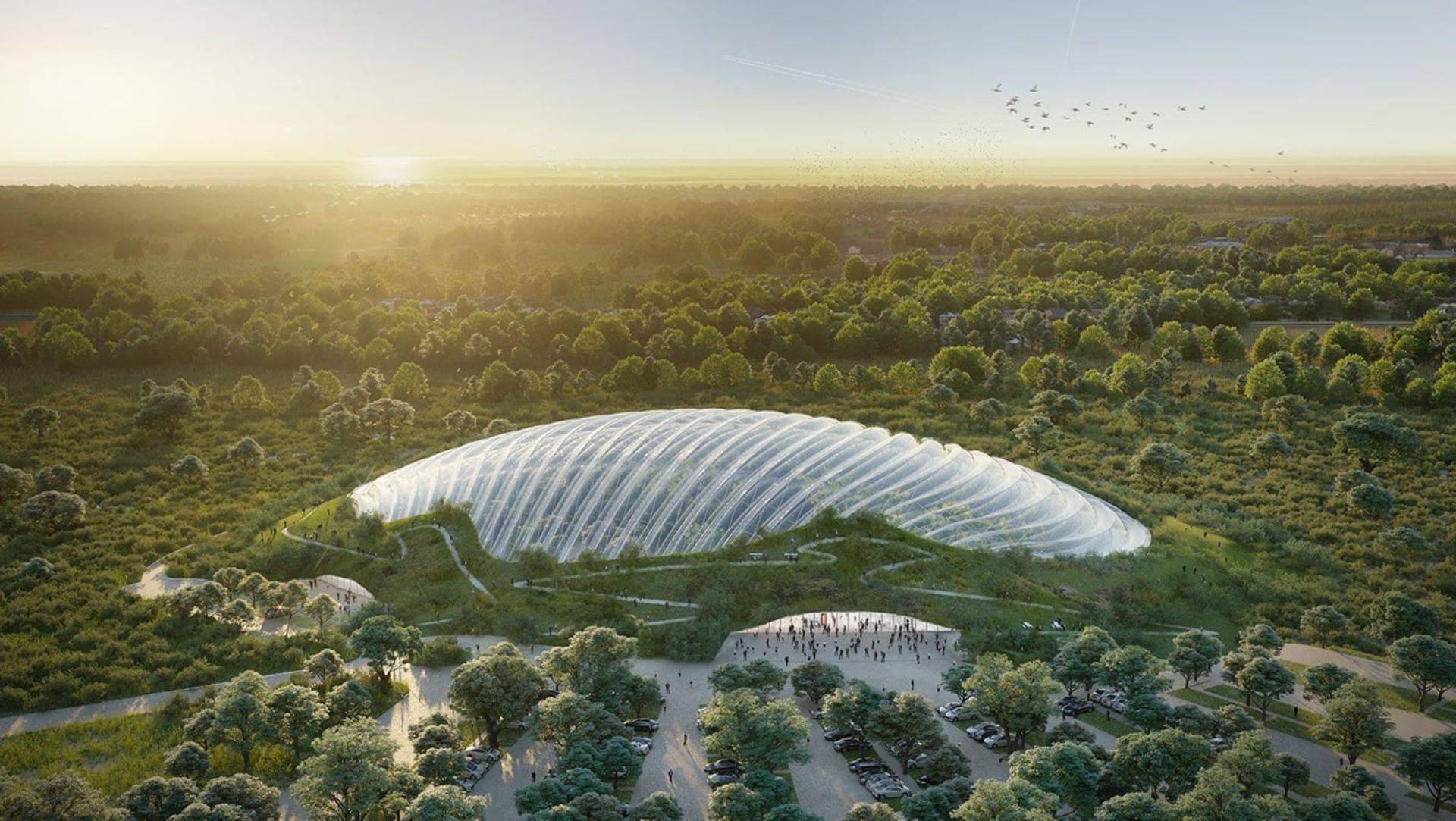
What is a biodome? A biodome is an artificial model of one or more natural ecosystems contained within a controlled environment. It may encompass plants, animals, soil, water, air systems and climate controls that duplicate natural environmental conditions.
A biodome can be a glass dome, a big greenhouse, or a futuristic science building. But it’s more than just a pretty building. A biodome is a model of the earth’s environment that has living organisms in it to educate people about nature, preserve ecosystems, test sustainable systems, and even investigate the possibility of human life on other planets.
Examples include the Montreal Biodome, Biosphere 2 in the Arizona desert and the Eden Project in the UK. These projects demonstrate the synergy of architecture, science, construction, agriculture and environmental protection.
The biodomes are also a valuable lesson for a construction firm such as Marbella Constructions. Buildings of the future will need to do more than provide shelter. They will have to conserve energy, mitigate environmental effects, conserve water and contribute to a more sustainable future.
What is a Biodome in Simple Terms?
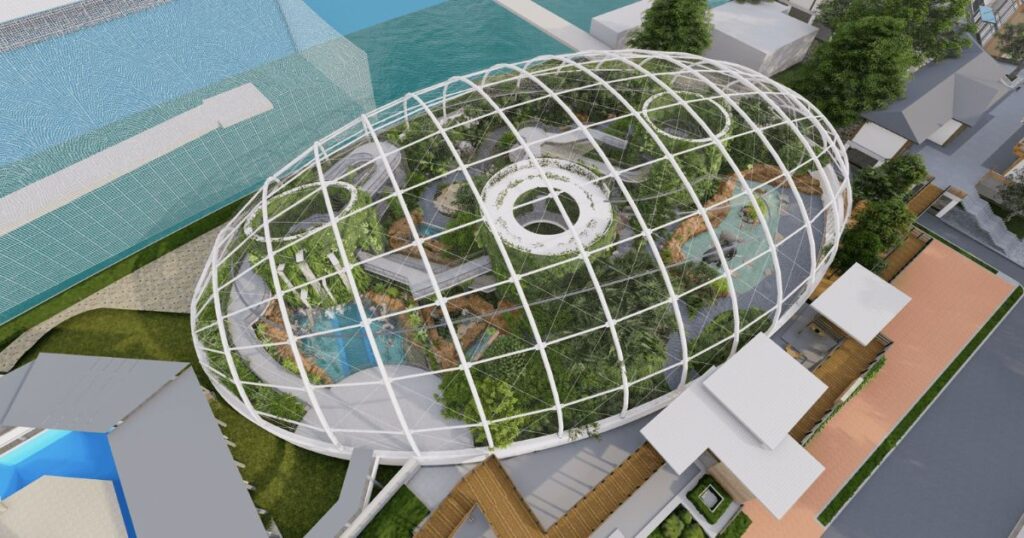
Biodome, also known as bio dome, is a closed building that is used to provide an artificial habitat for plants, animals, and natural systems. It can mimic a rain forest, desert, wetland, ocean coast or agricultural environment.
A biodome is essentially a large, controlled nature in a building. It can incorporate glass, steel, ETFE panels, sensors, irrigation, air systems and smart controls to maintain the appropriate balance of heat, humidity, water, light, and oxygen.
A biodome can be used to:
- Display ecosystems to the public
- Support scientists’ research of natural interactions
- Conserve rare flora and fauna
- Experiment with growing food in greenhouses
- Provide education for students and communities
- Show sustainable building and management practices
- Investigate potential habitats on other planets
A biodome is more complex than a greenhouse and can be a complete ecosystem. This can include soil, insects, water cycles, microbes, fish, birds, reptiles and climate zones. This renders the biodomes more complicated than ordinary plant-growing structures.
How Does a Biodome Work?
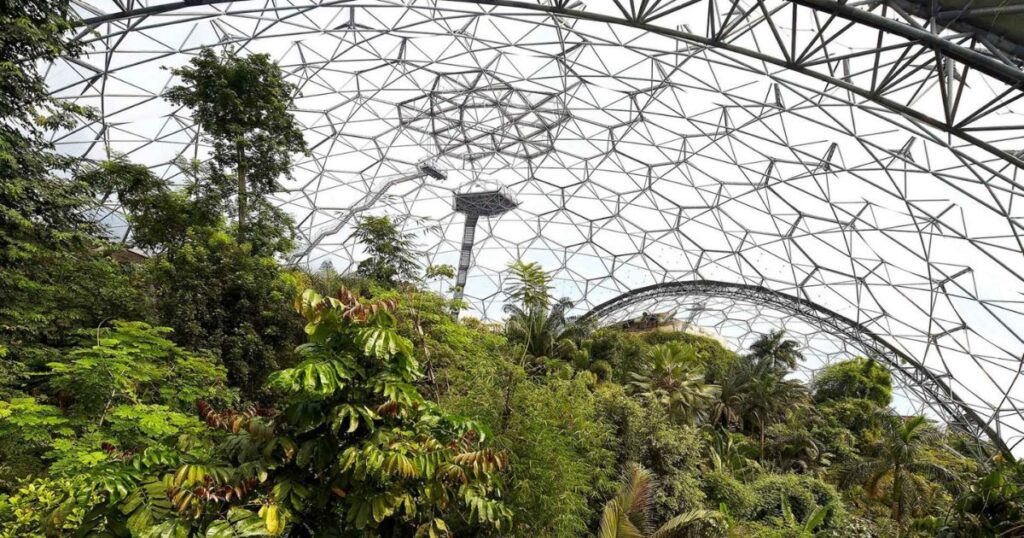
A biodome is a structure that regulates the factors necessary for the survival of life. These are air, water, light, temperature, soil, nutrients and energy. These systems, together, form an environment in which plants and animals are able to maintain stable existence.
A biodome could be equipped with sensors measuring temperature, humidity, CO2, oxygen, soil moisture and water quality. Mechanical systems then make adjustments to the environment as necessary. For instance, fans can circulate air, misting systems can add humidity, and shading can decrease heat.
This is crucial as each biome requires specific needs. Biome of humid tropics, or tropical rainforest, requires warm air, high humidity and lots of water. But a Sonoran Desert or Arizona desert environment requires dry air, intense sunlight and proper water management.
The Biodome’s main systems are housed within the structure.
| Biodome System | What It Does | Why It Matters |
|---|---|---|
| Structure | Carries the dome or enclosure. | Safety, durability and long term use |
| Climate control | Manages heat, cooling, and humidity | Keeps ecosystems stable |
| Ventilation | Circulates air around the building | Controls oxygen and air quality |
| Water systems | Irrigation, filtration and recycling | Supports plants, animals, and wetlands |
| Lighting | Natural or artificial light | Helps plants grow |
| Soil and nutrients | Sustains roots and microbes | Maintains the health of vegetation |
| Sensors | Measures environmental conditions | Helps managers respond quickly |
| Energy systems | Powers the biodome | Affects sustainability and cost |
In some projects, a biodome can serve as a closed ecosystem. That is, it attempts to internally recycle air, water, nutrients and waste. But, most biodomes are not completely closed. They require external energy, maintenance, fresh water or human intervention.
What’s in a Biodome?
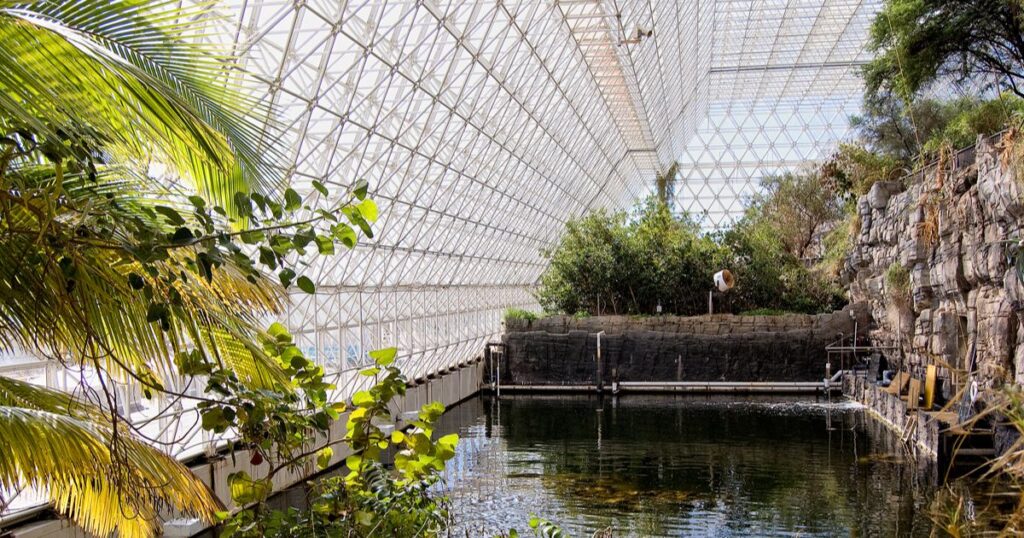
There are many components of nature that can be included in a biodome. Its contents will vary according to the mission statement. Some biodomes are educational, others are scientific, tourist attractions, conservation, agricultural or sustainable.
Most of the biodomes contain living and non-living systems. Ecosystems rely on balance, and these systems have to cooperate. The bond between air, water, plants, animals and soil is the essence of a Biodome valuable for research and education.
Plants and Trees
Most biodomes are based on plants. They generate oxygen, absorb carbon dioxide, offer shade, stabilize soil and serve as food or shelter for animals. A tropical rainforest biodome can feature large trees, vines, orchids, ferns and broad-leaf plants.
An agricultural biodome can be used for the cultivation of herbs, leafy greens, tomatoes, peppers, strawberries or research crops. In Marbella, biodome-inspired greenhouses could also grow Mediterranean plants, drought-resistant crops, and food crops in controlled conditions.
Animal Life
Animal life, including birds, fish, reptiles, amphibians, insects and pollinators, are included in some biodomes. These animals are used to educate visitors about the function of ecosystems. Animals, however, introduce complications: they must be cared for, provided with space, fed, provided with welfare facilities and legally protected.
Water and Wetlands and Ocean Displays.
A lot of biodomes have ponds, streams, waterfalls, wetlands or marine exhibits. These features help regulate humidity, provide a habitat for aquatic life and educate individuals about the importance of water. Wetlands are particularly helpful because of their ability to demonstrate the water filtering and natural resource protection that nature provides.
Soil and Microbes
Soil is alive and thriving. Microbes, fungi, insects, and decomposers recycle nutrients and promote plant growth. One of the reasons why biodomes are so complex is this hidden world. Small changes in soil can have an impact on oxygen, carbon dioxide, plant health and the overall ecosystem.
There are several different types of biodomes.
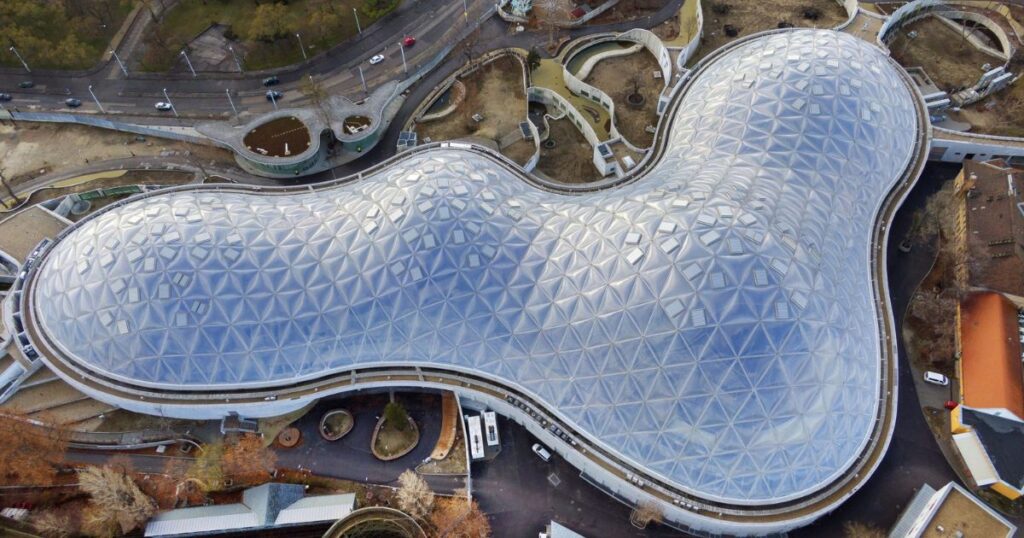
There are many possible environments that can be reproduced in biodomes. Some have one big biome and some have several. The Montreal Biodome, for instance, features several ecosystems from the Americas.
Tropical Rainforest Biodome
The tropical rainforest biodome mimics hot, wet, green environments. It is frequently characterized by high humidity, dense vegetation, abundant animal life and tall trees. These biodomes assist visitors to appreciate the beauty and significance of rainforests.
They also demonstrate the importance of rainforest protection. Tropical forests provide carbon storage, biodiversity, influence rainfall, and natural resources. They are also vulnerable to shifts in climate and human activities, however.
Desert Biodome
A desert biodome is a recreation of a dry desert like the Sonoran Desert or the Arizona desert. It can involve cacti, succulents, dry soils, rocks and water-efficient planting. This kind of biodome educates people about the possibility of life to survive with minimal water.
Desert biodomes provide valuable lessons for Mediterranean areas like Marbella. They demonstrate ways to control heat, sunlight, water shortage, and drought-tolerant landscaping in construction.
Wetlands Biodome
A wetlands biodome emphasizes on water-rich ecosystems. It can contain reeds, aquatic plants, fish, insects, amphibians and birds. Wetlands are important for flood control, water filtering and biodiversity.
Agricultural Biodome
Agricultural biodome is to grow produce. It can be a hydroponics, aquaponics, vertical farming, soil beds or a sophisticated greenhouse system. These biodomes are important for food security as they keep the crops safe from pests, drought, wind and extreme weather.
Research and Educational Biodome
Biodomes are employed as educational tools in universities, museums, science centres and schools to teach biology, engineering, sustainability and ecosystem science to students. These areas allow students to experience nature firsthand and in a memorable manner.
Famous Biodome Examples Around the World
There are a number of well-known projects to illustrate the potential of biodomes. These examples can serve as a reference for anyone interested in sustainable design, environmental science, or constructing a biodome.
Montreal Biodome
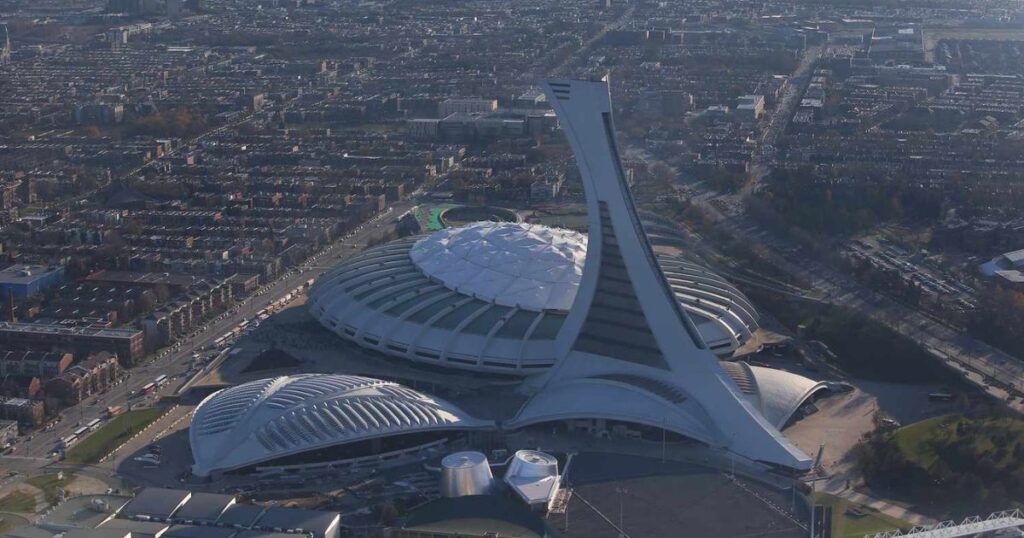
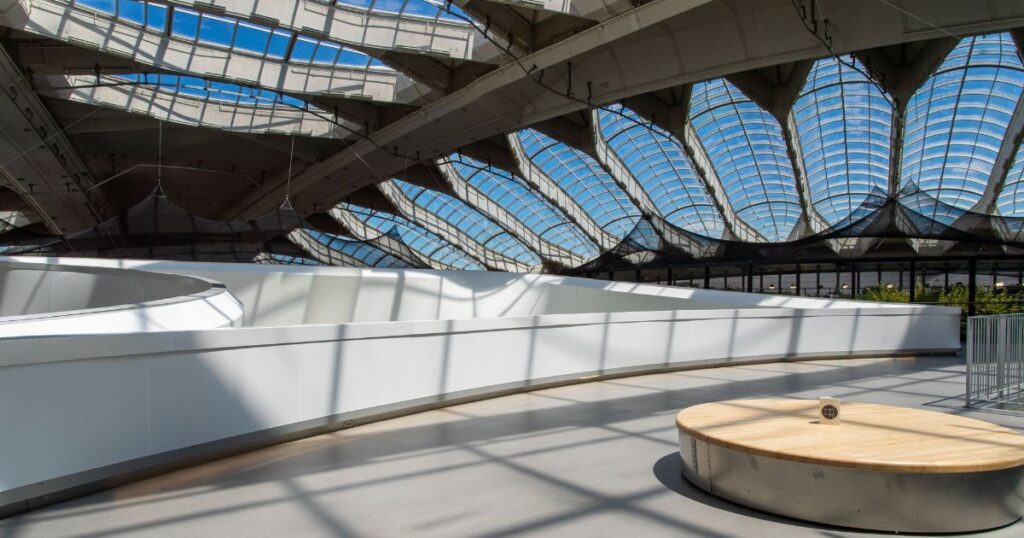
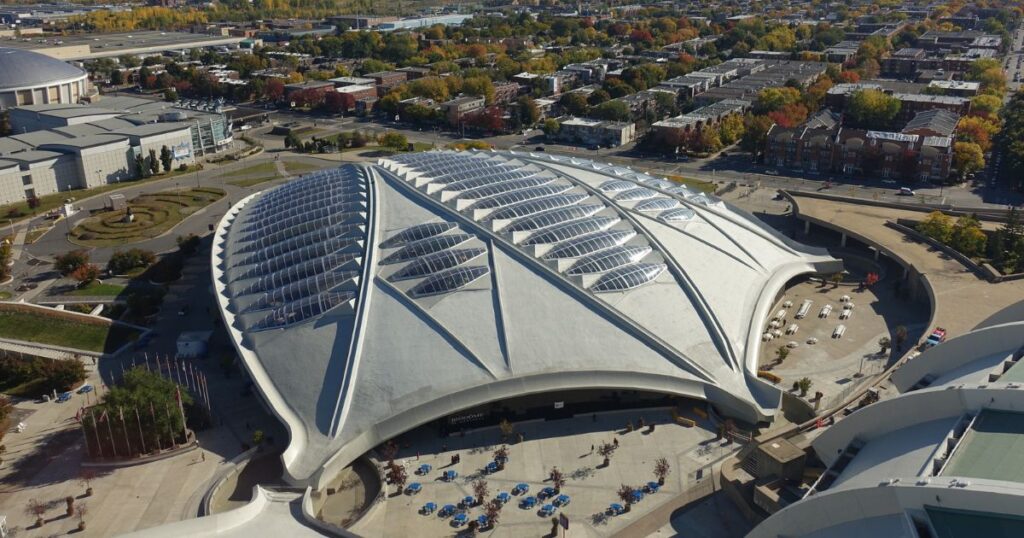
One of the most famous biodomes in the world is the Montreal Biodome in Canada. It reproduces some of the ecosystems of the Americas, such as tropical forest, maple forest, Gulf of St. Lawrence, Labrador Coast, and sub-Antarctic islands.
It enables visitors to explore the influence of climate, flora, fauna and water systems on different environments. For more information, consult the official Space for Life Montréal website: Space for Life Montréal — Biodôme
Eden Project
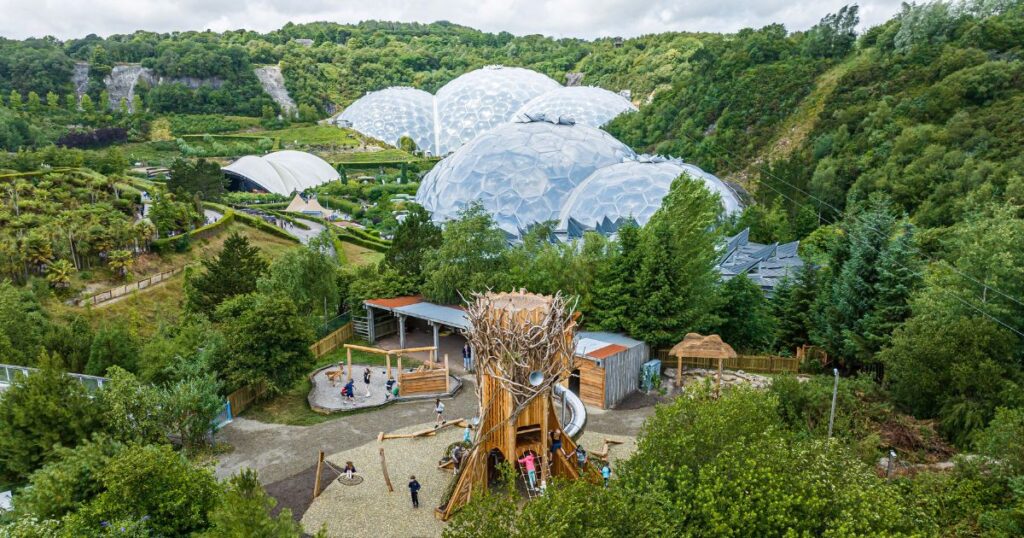
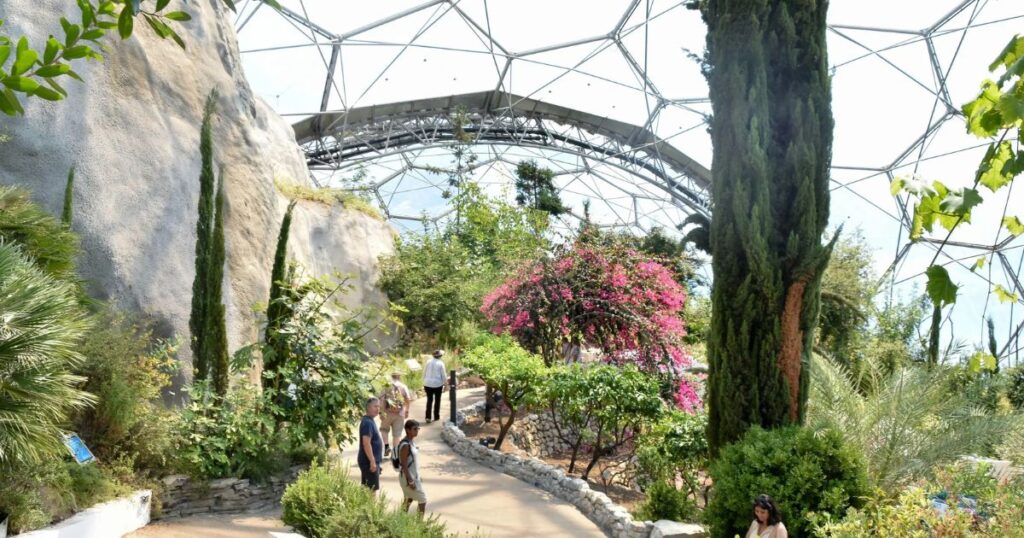
The Eden Project in Cornwall, UK is known for its giant geodesic dome biomes. It has a rainforest biome and a Mediterranean biome. The project is a testament to the power of architecture to educate people on plants, sustainability, community and responsible management of the planet.
The Eden Project also demonstrates how industrial land can be transformed into a green destination that has global impact. Reference: Eden Project
Biosphere 2 in Arizona
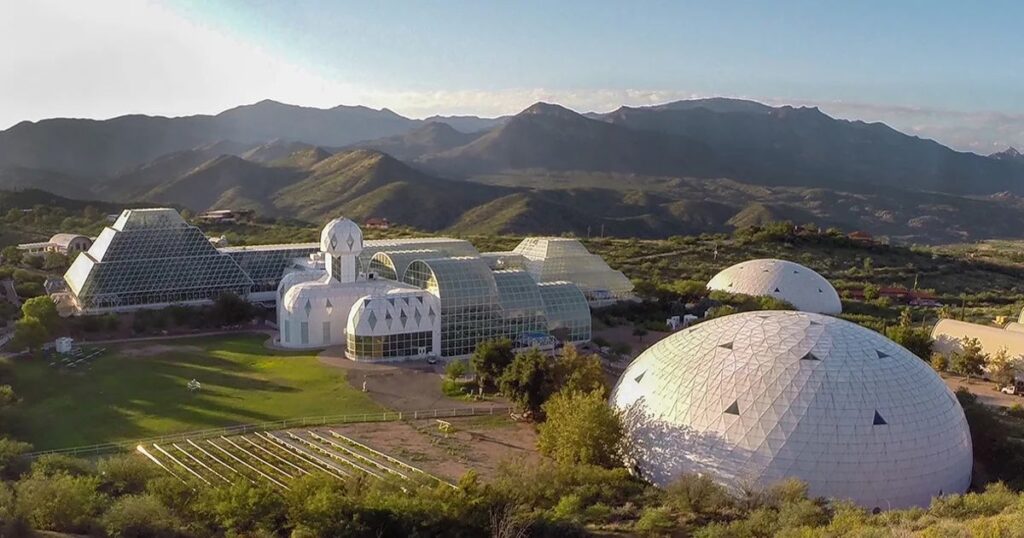
Biosphere 2 is a research center affiliated with the University of Arizona. It was constructed for the purpose of closed ecosystem science, oxygen levels, agriculture, ocean systems, desert systems, rain forest systems and human survival.
The project enabled scientists to gain an understanding of the complexity of Earth systems. It also brought up some interesting issues regarding life support, space habitats and survival on other planets. Reference: University of Arizona Biosphere 2
Biodome, Greenhouse or Terrarium?
Biodomes are sometimes mistaken for greenhouses or terrariums. They share similarities but they are not identical.
| Feature | Biodome | Greenhouse | Terrarium |
|---|---|---|---|
| Main purpose | Recreate ecosystems | Grow plants | Exhibit small plant systems |
| Typical size | Medium to large, very large | Small to large | Small |
| Includes animals | Sometimes | Rarely | Sometimes insects |
| Climate control | Advanced | Basic to advanced | Limited |
| Used for science | Often | Sometimes | Rarely |
| Can produce food | Sometimes | Often | Rarely |
| Ecosystem complexity | High | Medium | Low |
A greenhouse typically is used for plant cultivation. A terrarium is a small enclosed plant environment. A biodome is bigger and more complicated as it can contain more than one life system, water system, animals and scientific monitoring.
What is the importance of Biodomes?
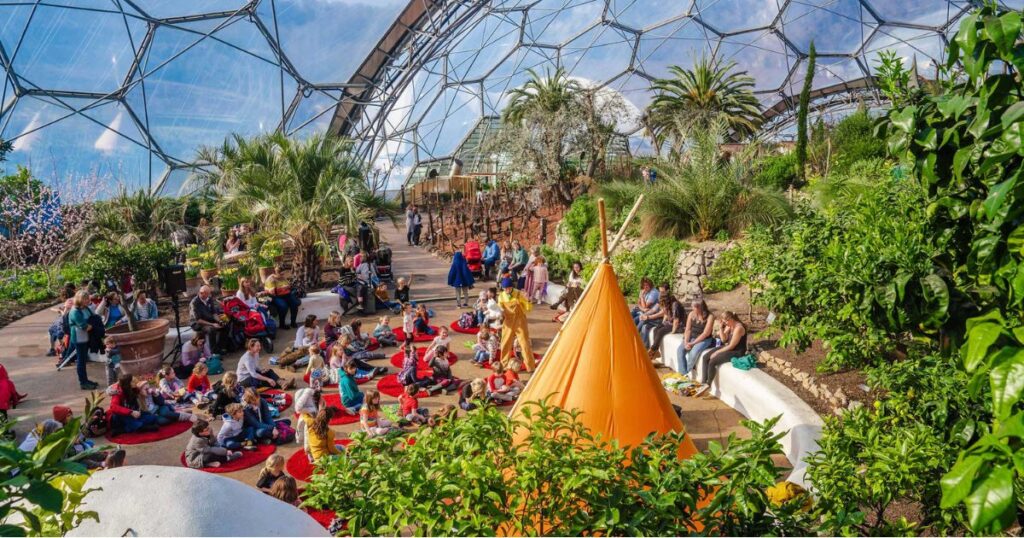
Biodomes are significant, because they enable people to learn about the interdependence of life systems. They demonstrate that plants and animals, air, water, soil and energy are not operating independently. Instead, they depend on each other.
This lesson matters because modern construction has a major effect on the world. Energy, water, land and materials are consumed in buildings. Thus, less impact on the environment and conservation of natural resources are possible with better design.
Biodomes are a support to Environmental Stewardship.
Biodomes bring nature right up to the visitor. Consequently, they have the power to encourage others to conserve ecosystems, minimize waste, conserve water and consider their impact more on the planet. This is the essence of caring for the environment.
Biodomes Help Science and Research
Biodomes are used by scientists to observe interactions between living systems. They can experiment with the response of the plants to heat, the changes in the water cycle, the reactions of ecosystems under stress, and the changes in the oxygen content in a controlled environment.
Biodomes – a sustainable future.
Biodomes can be used to show sustainable systems, e.g., water recycling, renewable energy, passive cooling, local food production, smart building controls. They provide architects, engineers, builders and communities with a model for greener development.
How Biodomes are Constructed?
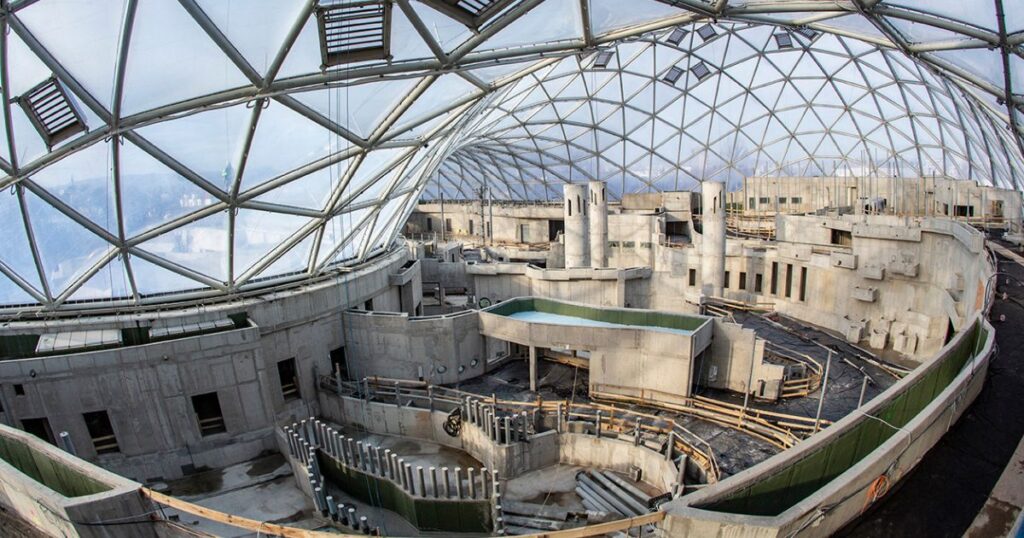
Construction of a biodome is a process of planning, science, engineering and construction. It begins with a clear mission statement. What is the purpose of the biodome – educational, food production, research, tourism, conservation or community? This decision affects all aspects of the project.
The team then selects a location. They learn about sunlight, wind, water, land, permits, visitors, and impact. In Marbella, designers would also have to take into account the summer heat, the humidity of the coast, the salt air, the scarcity of water and the potential of solar energy.
Key Construction Steps
- Explain the function of the biodome
- Select location and understand local climate
- Design frame, glazing and foundations
- Choose materials including steel, glass, timber, concrete or ETFE
- Design heating, cooling, humidity and ventilation climate systems
- Plan irrigation, filtration, drainage and reuse water systems
- Use sensors to measure environmental levels
- Plant, soil, water features and animals as required
- Do not open or use the ecosystem until it has been tested.
- Manage the biodome with competence on a daily basis
Construction quality matters. Mould, overheating, corrosion, leaks or high energy bills can result from poor waterproofing, weak ventilation, bad drainage or inappropriate materials.
What Materials are used to build Biodomes?
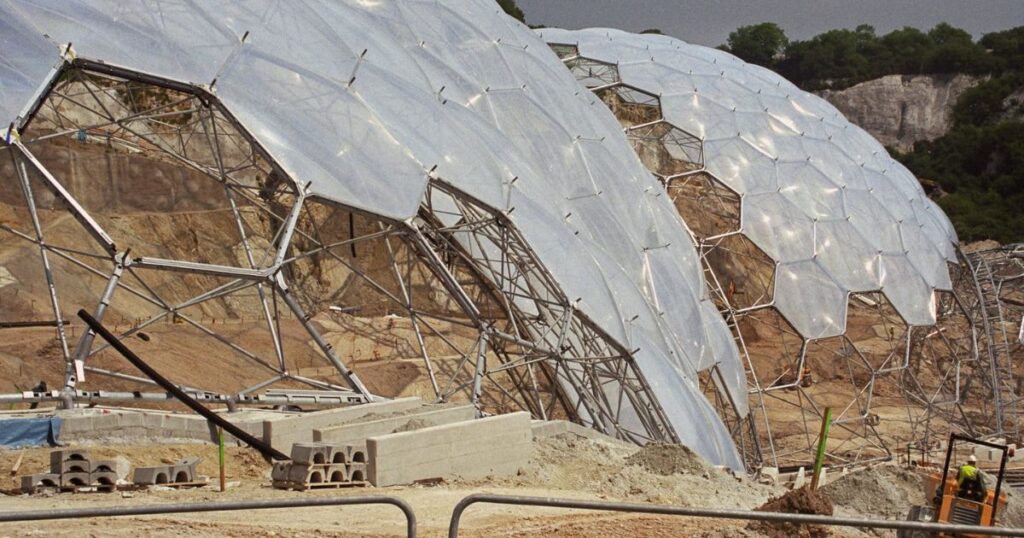
Biodomes are made from materials that will let light in but keep the inside environment protected. These include steel frames, glass, ETFE panels, concrete foundations, waterproof membranes, sensors, irrigation and smart controls.
ETFE is popular in modern biome design due to its lightweight, strength and transparency. Can cover large areas and can be used to reduce structure weight. Glass is also widely used, but may be heavy and require shading in warmer climates.
Coastal building is a special challenge in Marbella. The salt air is harmful to metal and a proper corrosion protection is needed for the steel. The building also requires shading, ventilation and efficient glazing due to the strong sunlight.
Is a Biodome Sustainable?
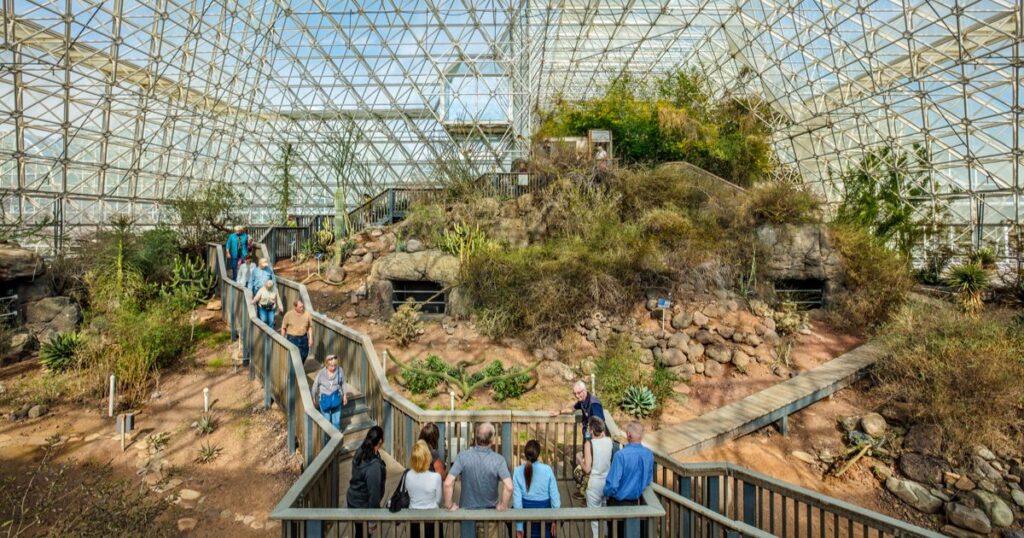
A biodome can be sustainable, but it is not automatically green. Design, materials, energy and water use and daily management are critical to its sustainability.
A well-designed biodome can minimize its impact on the environment by employing:
- Solar panels
- Natural ventilation
- Passive cooling
- Rainwater harvesting
- Greywater reuse
- Drip irrigation
- Materials that are recycled or low carbon
- Efficient glazing
- Smart climate controls
- Nutrient recycling and composting
- Local, non-invasive plants
But a badly designed biodome can consume a lot of energy and water. That’s why responsible management is important. Sustainability isn’t just about building. It also requires a long-term operation.
Is Biodome Construction Work in Marbella possible?
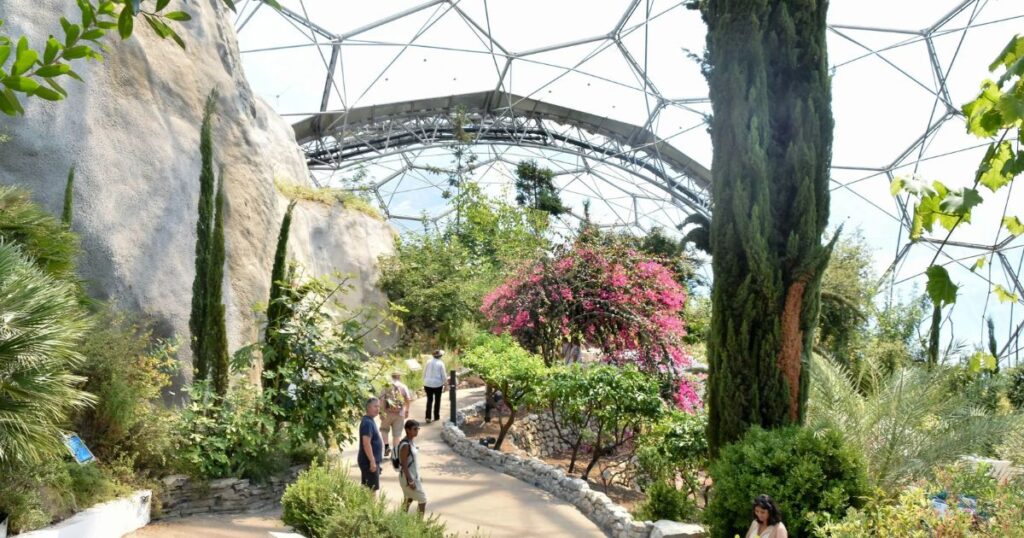
Yes, in Marbella, such constructions based on the biodome could be possible, if they were designed appropriately. Marbella has high solar potential, a Mediterranean climate, high demand for luxury developments and an increasing trend towards sustainable living. These conditions render the area suitable for controlled green spaces, smart greenhouses, wellness gardens and features in eco-tourism.
A complete public biodome would require extensive planning and investment. But smaller concepts that are inspired by the biodome are very practical for villas, hotels, schools, resorts, and commercial properties.
Biodome-Inspired Features for Marbella Projects
- Climate-controlled indoor gardens
- Luxury glass atriums
- Smart greenhouses
- Living walls
- Green roofs
- Mediterranean courtyards
- Rainwater harvesting systems
- Solar-powered garden rooms
- Biophilic interior design
- Drought-resistant landscaping
- Indoor food-growing spaces
- Natural ventilation and shaded glazing.
The bottom line for Marbella Constructions is that sustainable buildings are supposed to be in harmony with nature, not opposed to it. The Biodome demonstrates how construction, plants, water, air, energy and people can all be one system.
Is it possible to grow food in Biodomes?
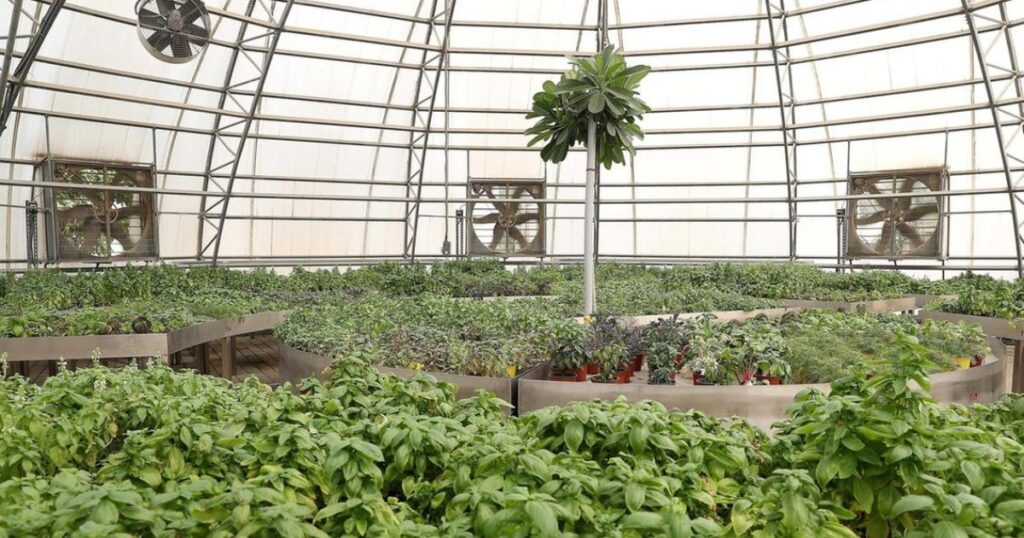
Yes, Biodomes can be used for food production. Biodomes and high-tech greenhouses can be used to cultivate crops in controlled environments. This can help to increase food security particularly in the urban, desert, island and climate change impacted areas.
Food-producing biodomes can be based on soil beds, hydroponics, aquaponics, or vertical farming. Hydroponics is the method of growing plants without soil, but rather in nutrient-rich water. Aquaponics is a system of fish and plants that help each other, the fish waste helping to grow the plants and the plants helping to clean the water.
Common crops include:
- Leafy greens such as lettuce.
- Basil, mint, parsley, and herbs
- Tomatoes
- Peppers
- Strawberries
- Cucumbers
- Microgreens
- Research crops
- Some tropical fruits in warm humid biomes
Such greenhouse farming can help to minimize water loss and shield plants from the elements. But it still needs energy, maintenance and careful planning.
Biodomes and Life on Other Planets
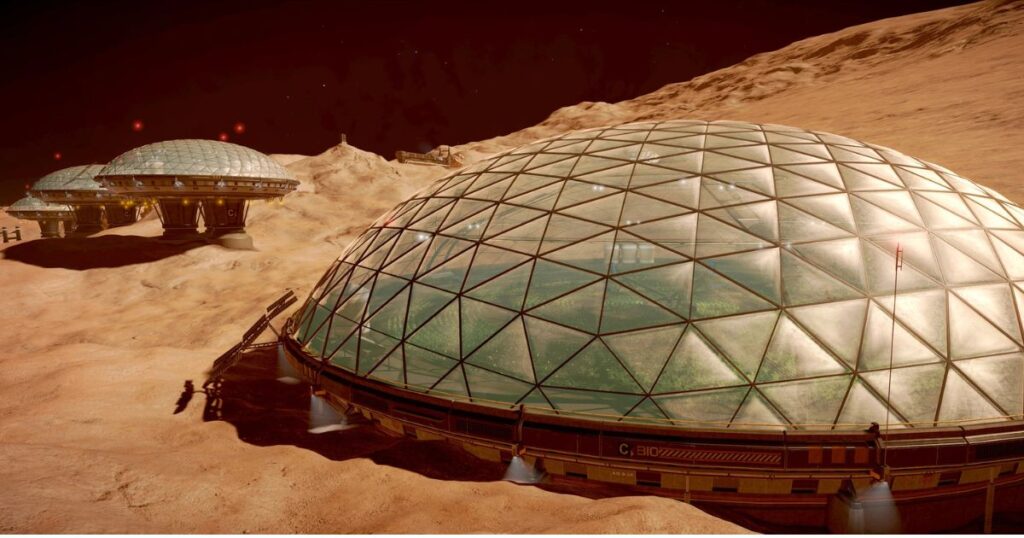
Biodomes are also important for space research. Future human lunar and Martian explorers will require enclosed habitats which recycle air, water, nutrients and wastes. They will also require food production and oxygen generation systems.
A closed ecosystem on another planet would have to operate with limited natural resources. Plants might be able to create oxygen and food. Water would have to be recycled. Waste would have to be transformed into a resource. This makes the study of biodome science applicable to future space habitats.
But, as experiments such as Biosphere 2 have demonstrated, closed systems are extremely difficult to control. The oxygen concentration, food production, soil chemistry and human health can all be altered in unexpected ways.
Myths about Biodomes
Myth #1: Biodomes are always completely closed.
Most biodomes are controlled, but they are not fully sealed. They tend to be dependent on external sources of energy, water, maintenance and personnel.
Myth #2: Biodomes can take the place of natural ecosystems.
Biodomes can educate and protect some species, but they cannot replace forests, oceans, wetlands, or deserts. However, real ecosystems still need to be preserved.
Myth #3: Biodomes are simply large greenhouses.
The primary purpose of a greenhouse is to produce plants. A biodome is a representation of a larger ecosystem system, such as animals, water, soil, climate and air.
Myth #4: Biodomes are Always Sustainable
To be sustainable a biodome must be designed and managed well. Without efficient systems, it can have a high environmental impact.
FAQs About Biodomes
What is a biodome?
A biodome is a human-made structure that recreates a natural ecosystem. It regulates light, air, water, temperature, humidity, soil and other parameters to allow life to exist within.
What does a biodome do?
The purpose of a biodome is to study, display, protect, or recreate ecosystems. Biodomes are utilized for science, education, sustainability, agriculture, conservation, tourism, and future space research.
What kind of example of a biodome is there?
Some examples are the Montreal Biodome in Canada, the Eden Project in the United Kingdom, and Biosphere 2 in Arizona.
Is a biodome the same as a greenhouse?
No. The primary purpose of a greenhouse is to promote plant growth. A biodome is a more complicated ecosystem and can contain animals, water systems, soil cycles and sophisticated climate controls.
Is it possible for humans to live in a biodome?
Humans have been able to live in biodomes and some experiments have been conducted with long-term living. But, in a closed system, it is hard to maintain permanent life as food, water, air, waste, and health systems need to be balanced.
Are biodomes good for the environment?
They can be beneficial in the fields of education, research, conservation, and sustainable innovation. But the environmental benefits rely on energy consumption, water consumption, materials and proper management.
Conclusion: What is a Biodome and Why Does It Matter?
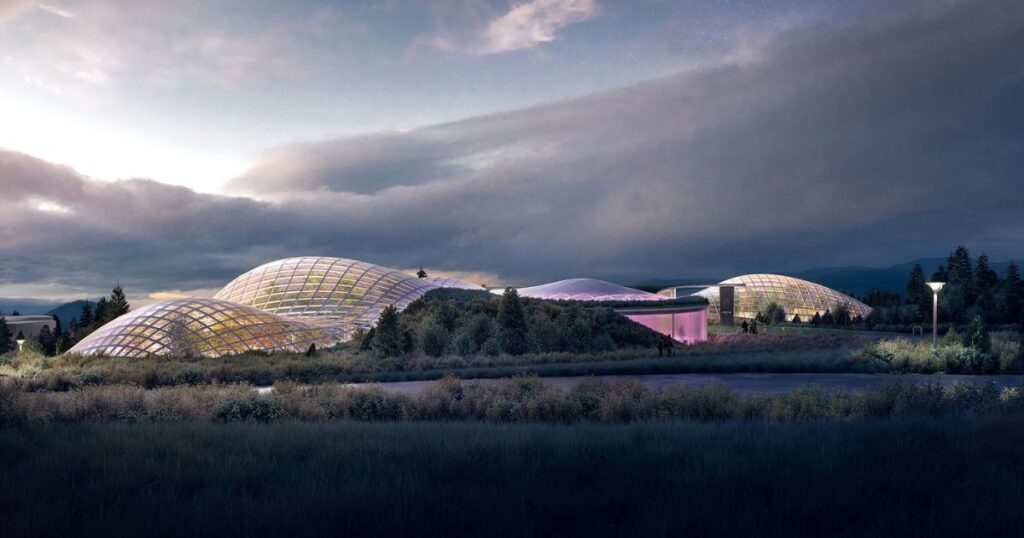
So, what is a biodome? A biodome is an artificial, enclosed space that mimics natural ecosystems in the interior of a structure. Can sustain plants, animals, water systems, soil life and controlled environmental conditions.
Biodomes are important because they give us an insight into the complicated systems that sustain life on earth. They also demonstrate the integration of construction, science, sustainability, engineering, agriculture and community design.
Biodomes are a testament to a great concept – the future of building should be in harmony with nature, from the Montreal Biodome to the Eden Project and Biosphere 2. For Marbella and other forward-thinking places, biodome-inspired design can help create greener homes, smarter buildings, better food systems, and a more sustainable future.