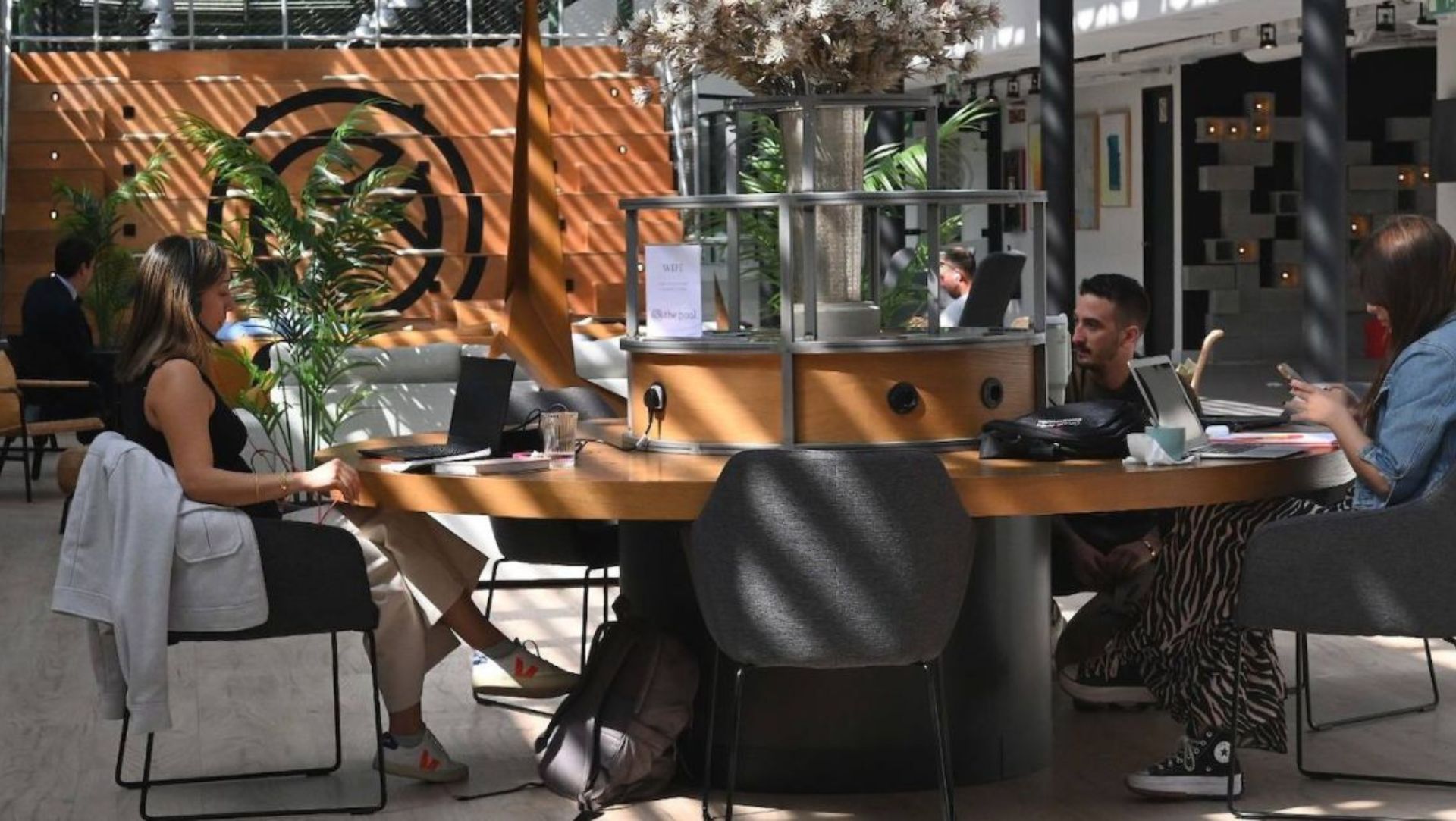
Why Coworking Space Design Matters
Coworking space design is no longer just about creating an open room with desks. The important elements of a successful co-working space are focus, collaboration, privacy, networking, well being, and flexibility.
When you’re in a city like Marbella, where entrepreneurs, remote workers, digital nomads, small teams, and international visitors all work together, the significance of good workspace design in Marbella is amplified. Members want to experience a modern, comfortable, professional and easy-to-use environment.
The right design can also bring up the revenue for property owners, investors and business operators. A well designed Coworking Office can provide open desks, dedicated desks, private offices, meeting rooms, event spaces, quiet zones and common areas without feeling crowded.
At Marbella Constructions, coworking space projects often require more than interior decoration. These require careful planning, construction know-how, office fit-out expertise, lighting solutions, acoustic treatments, partitions, access control, and intelligent building use. The aim is to create a space that people will want to work in on a day to day basis.
What is Coworking Space Design?
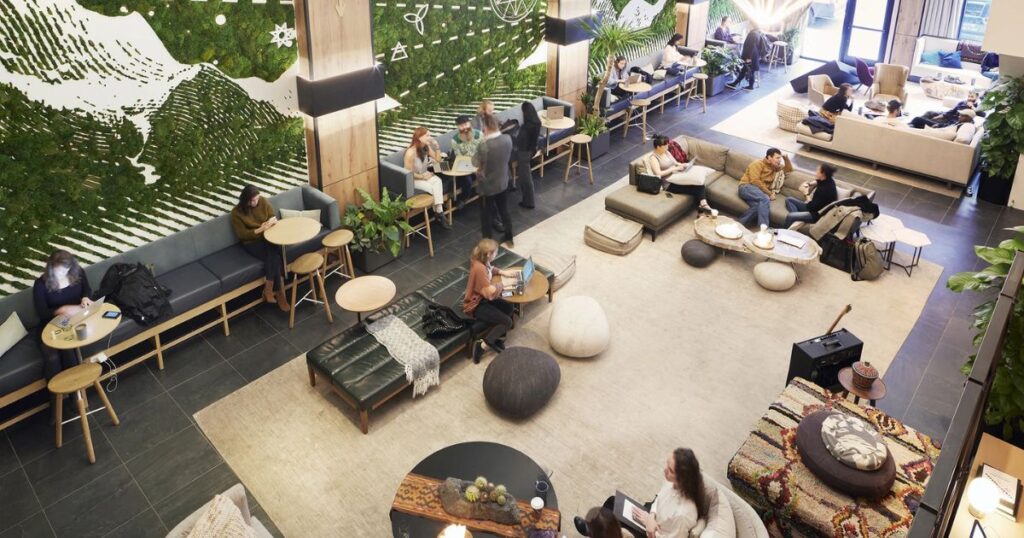
Coworking space design is the planning, construction and outfitting of a shared workspace for various kinds of users. This encompasses the entire space design, the layout, the furniture, the technology, the lighting, the acoustics, private rooms and common areas.
A coworking space is different from the traditional office space in that it caters to a large number of people and work styles. Some people may require silence for intense concentration. Others might require a conference room for a client meeting. A small staff might require a private office. Visitors can come for networking events, workshops or day passes.
A full coworking area typically comes with:
- Flexible daily use desks for open plan use
- Dedicated desks for regular members
- Small team/company private offices available
- Call, presentation and client meeting rooms.
- Zones for quiet work to focus
- Phone booths for private conversations are available.
- Common areas for breaks and networking
- Event areas for workshops and community events
- Coffee machines and kitchen areas for comfort
- Security and flexible entry access control
The best spaces feel simple to use. Members are aware of where to work, where to meet, where to take calls and where to relax.
The importance of good co-working space design.
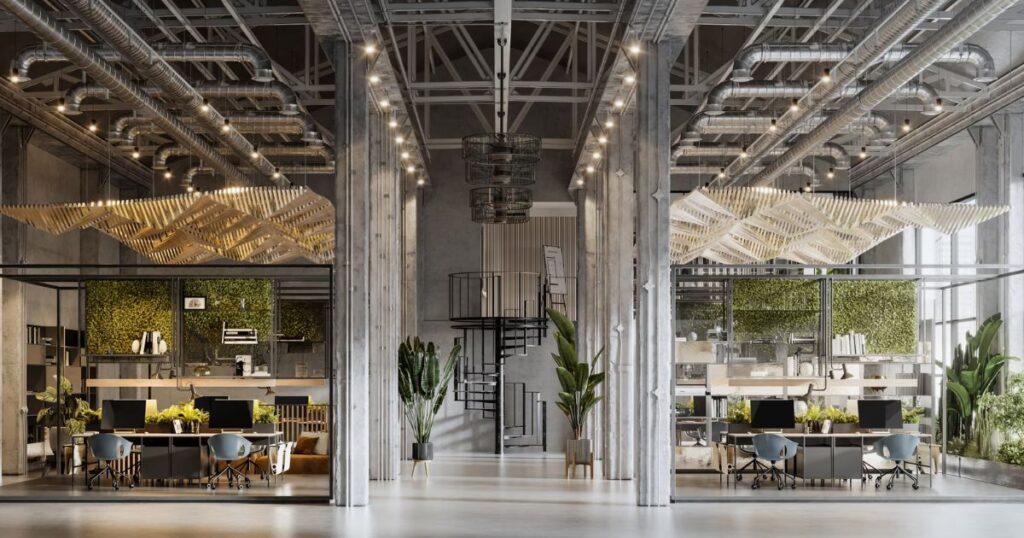
An excellent coworking space design enhances the member experience and boosts the operator’s efficiency. It also impacts on productivity, retention, comfort and profitability.
If the layout is not good, the members will notice it in a short time. Noise travels too far. Bookings of meeting rooms become difficult. Empty desks are too crowded. There is no privacy in private offices. Common areas are left in a cluttered condition. These issues can decrease satisfaction and lead users to seek alternate working areas.
A good design will enable:
| Design Goal | Why It Matters |
|---|---|
| Productivity | Members can concentrate and work without being continually interrupted |
| Flexibility | The space can be adjusted for future expansion, events and teams |
| Privacy | Private work spaces and rooms facilitate calls and sensitive work |
| Collaboration | Team work is fostered in common areas and meeting rooms. |
| Well being | Natural light, comfort and quiet zones minimize stress. |
| Revenue | Private offices, meeting rooms and event spaces generate income. |
| Brand image | A modern co-working space will draw in better members and visitors. |
Many coworking spaces in Marbella also have to resonate with an international crowd. This means clean, good looks, good technology, good building and good ambience are essential.
The following steps outline how to plan a Coworking Space Design Project.
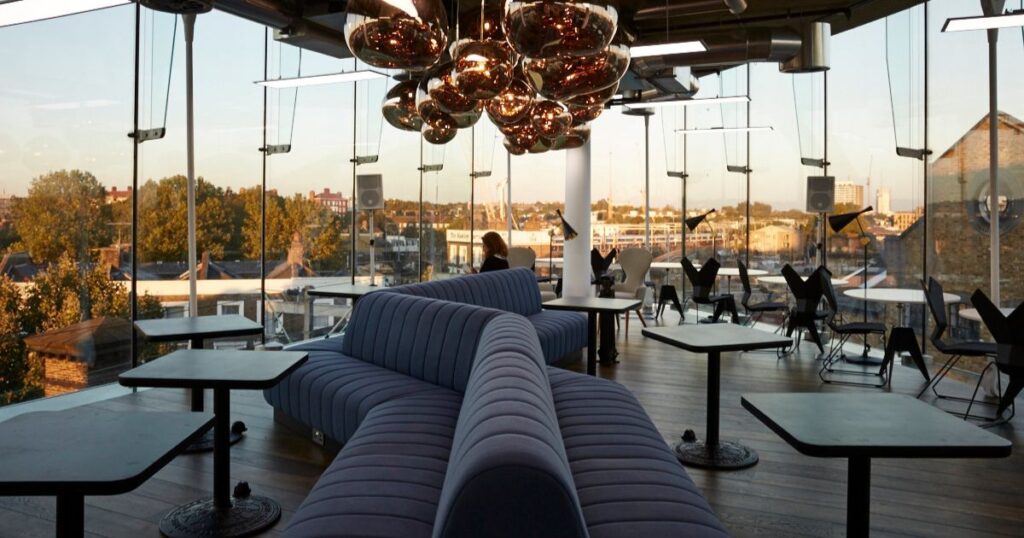
When designing a coworking space, begin with the strategy, not the furniture. You must familiarize yourself with the business model, target members, building conditions and services required before construction or refurbishment commences.
Identify Your Target Members

Various users have different requirements. A co-working space for digital nomads will not be the same as a legal company, architect, interior designer or tech start-up.
Your key users can be:
- Remote workers
- Digital nomads
- Freelancers
- Small teams
- Startups
- Consultants
- Local business owners
- Corporate visitors
- Event guests
- Creative professionals
For instance, remote employees may require high-speed internet, noise-canceling rooms, ergonomic chairs and cubicles, and phone booths. Small teams typically require private offices, assigned desks, secure access and meeting rooms. Digital nomads might be interested in basic payments, flexibility, lockers and social common areas.
Study the Building
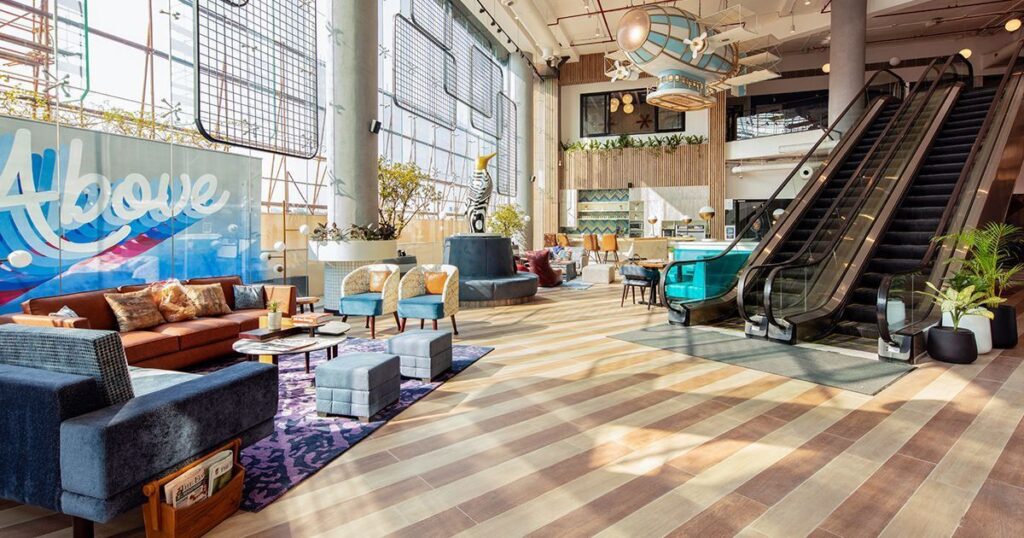
The project will be defined by the building. Check the structure, electrical, plumbing, natural light, ceiling heights, access, bathrooms, ventilation and noise sources before developing a layout.
Some of the properties in Marbella may be modern commercial units, others may be older or more character-rich buildings. There are strong points to each option. It might be easier to fit out a modern building. An historic or traditional building can be charming, but it might require thoughtful renovations.
Marbella Constructions can assist in determining if a space is appropriate for a coworking space by considering:
- Structural condition
- Wall and partition options are available.
- Lighting possibilities
- The electrical and data requirements are met.
- A/C and ventilation
- Accessibility
- Acoustic challenges
- Position of bathrooms and kitchens
- The construction and fit-out requirements.
An early review can save time and costly changes later.
Develop a Clear Space Plan
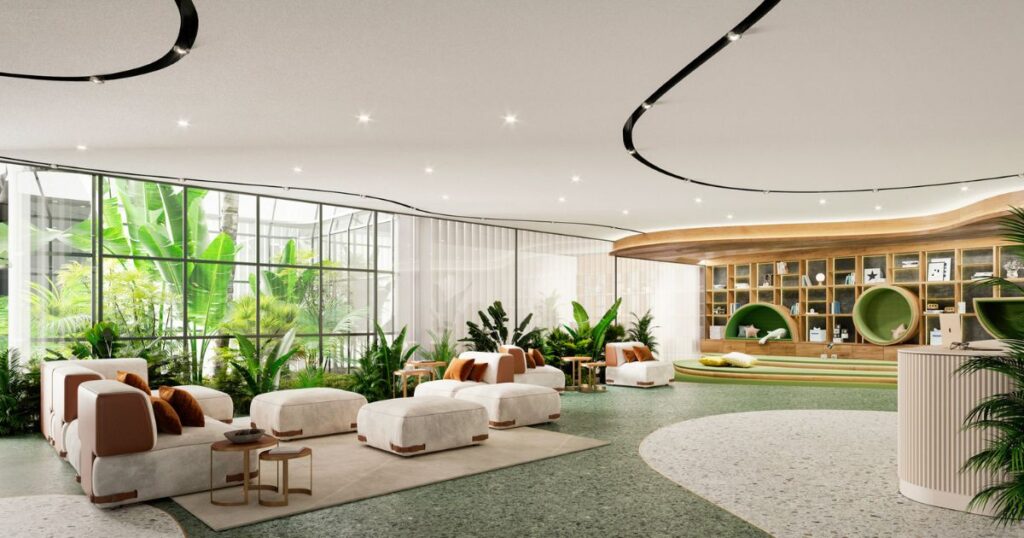
A good plan will include a division into zones of the coworking space. Every zone should have a specific goal. Quiet zones should be away from noisy areas and visitors should not unnecessarily pass through private work areas.
A full co-working office plan can contain:
- Reception area
- Open desk area
- Dedicated desk area
- Private offices
- Individual workstations
- Meeting rooms
- Phone booths
- Quiet zones
- Lounge
- Kitchen or café area
- Event spaces
- Storage
- Utility areas
- Restrooms
- Staff or admin area
A good plan also enhances mobility. The members and visitors should be able to move around the space without confusion and disturbance.
Coworking Space Layout Ideas:
One of the most essential elements of coworking space design is its layout. It has an impact on the working environment, interaction, and comfort.
Open Desk Layout
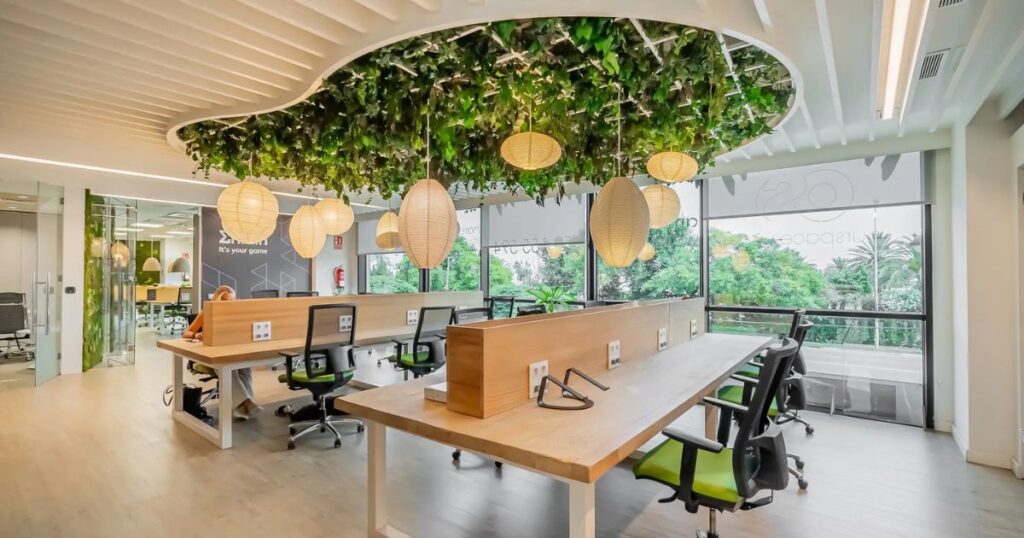
Open desks are perfect for flexible users, day pass visitors, freelancers or digital nomads. They make the workplace more vibrant and enable more people to utilize the space.
But open desks shouldn’t be cramped. Allow users sufficient workspace to work comfortably. Include electrical outlets, desk lamps, ergonomic chairs, and robust Wi-Fi. Minimize noise by using acoustic panels, plants, rugs and partitions.
Dedicated Desk Layout
Members who prefer to have a permanent desk should opt for dedicated desks. These users can leave monitors, documents or small equipment at their desk.
A workstation area should consist of:
- Individual workstations
- Storage or lockers
- Good task lighting
- Comfortable chairs
- Clear walkways
- Access to power and data
- Optional partitions
Dedicated Desks should be more private than Open Desks, but also part of the larger coworking community.
Private Office Layout
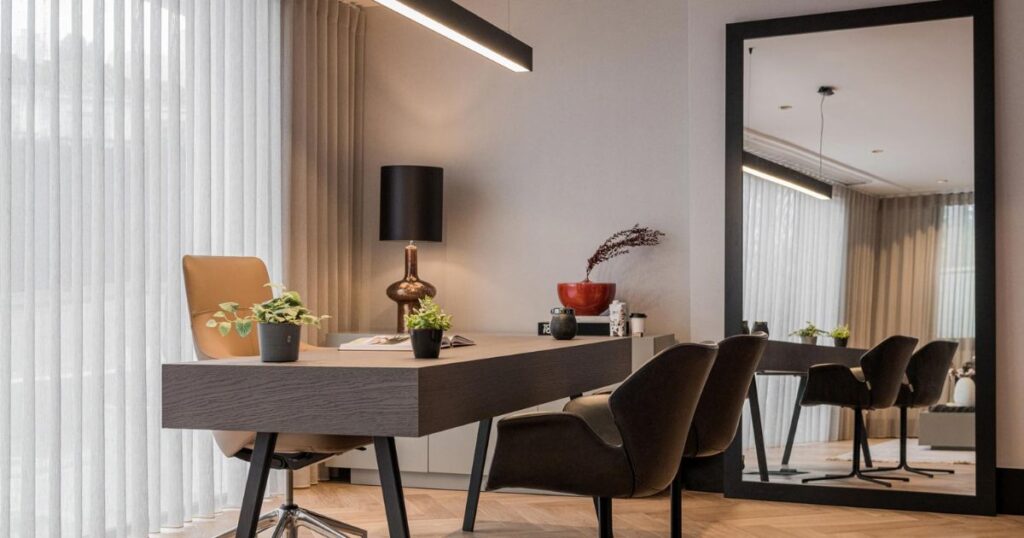
Private offices are a must for small teams, startups, consultants, and privacy-seeking companies. They’re also one of the most lucrative revenue streams in many coworking spaces.
Ideal attributes for a private office are sound control, access control, natural light (if available), flexible furniture, and space for expansion. Glass partitions can be used to keep the space open while providing light transmission.
This is where construction quality is important for Marbella Constructions. Inadequately constructed partitions, insufficient door quality, and inadequate acoustic design can cause private offices to sound noisy and unprofessional. Comfort and trust are achieved through strong build quality.
Meeting Room Layout
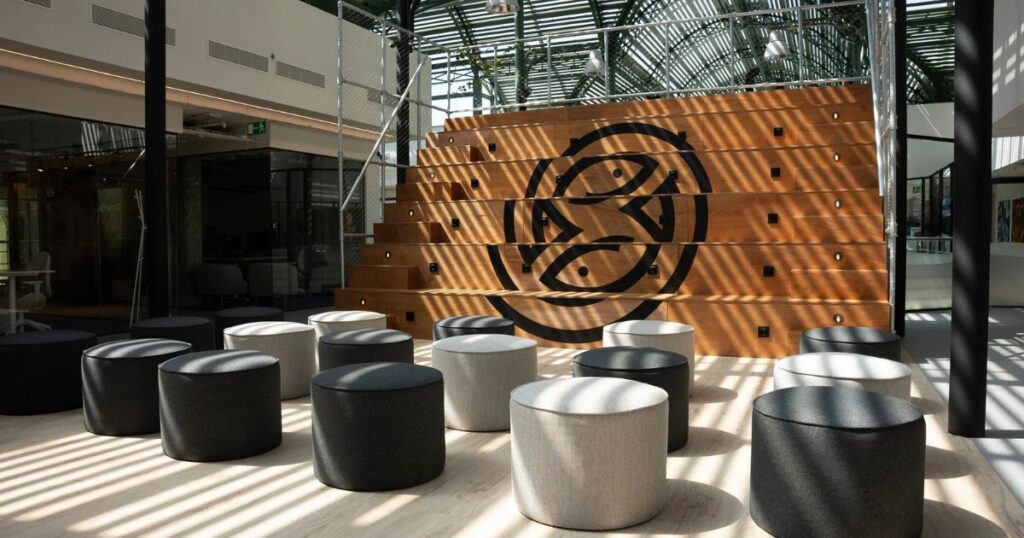
The meeting rooms play an important role in any coworking office. They are required by members for client meetings, video calls, interviews, training, and presentations.
A decent co-working area ought to have various room sizes:
| Room Type | Best For |
|---|---|
| 2-person room | Individual phone calls and short meetings |
| 4-person room | Small client meetings |
| 6–8 person room | Team sessions and planning |
| Large meeting room | Presentations and workshops |
| Training room | Courses, events and group work |
Good acoustical separation, screens, video conferencing equipment, task lighting, power points and easy booking technology should be provided in each meeting room.
Quiet Zone Layout
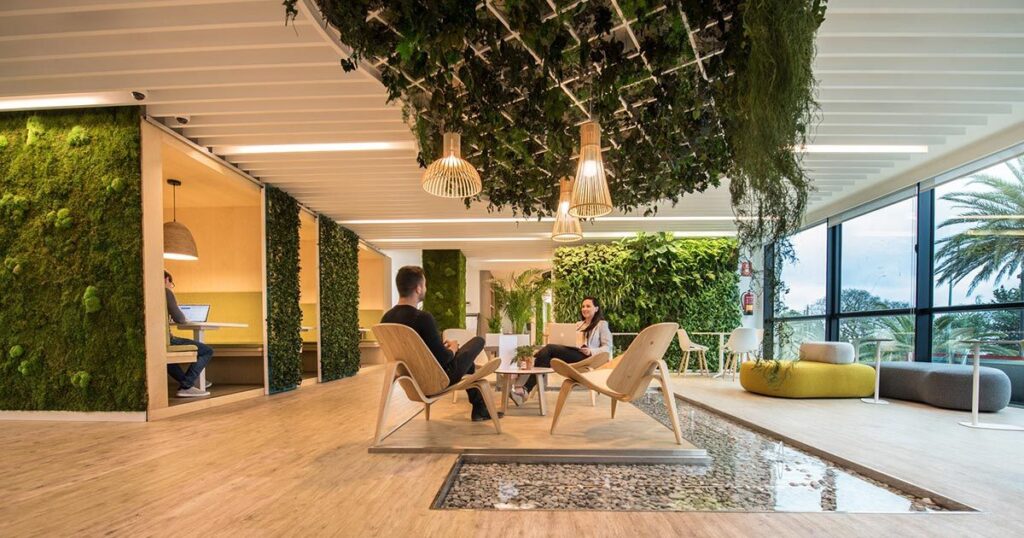
There is a need for quiet zones for deep work. Not all members are interested in an ongoing dialogue or noise.
Locate quiet zones away from:
- Reception
- Coffee machines
- Event spaces
- Lounge areas
- Collaboration zones
- Main walkways
Install acoustic panels, soft flooring, clear signs, individual workspaces and comfortable seating. A quiet zone should be calm, focused and protected.
Event Space Layout
Event spaces are a means for coworking operators to build community and additional revenue. They are able to organize networking events, training, product launches, talks, and workshops.
The top event venues employ:
- Modular furniture
- Stackable chairs
- Movable partitions
- Flexible lighting
- AV equipment
- Storage rooms
- Visitors can easily access the site
- Nearby restrooms
- Canteens and beverage vending machines
An event area can also double up as a lounge, workshop or overflow desk area during the day.
The principles of Coworking Space Design.
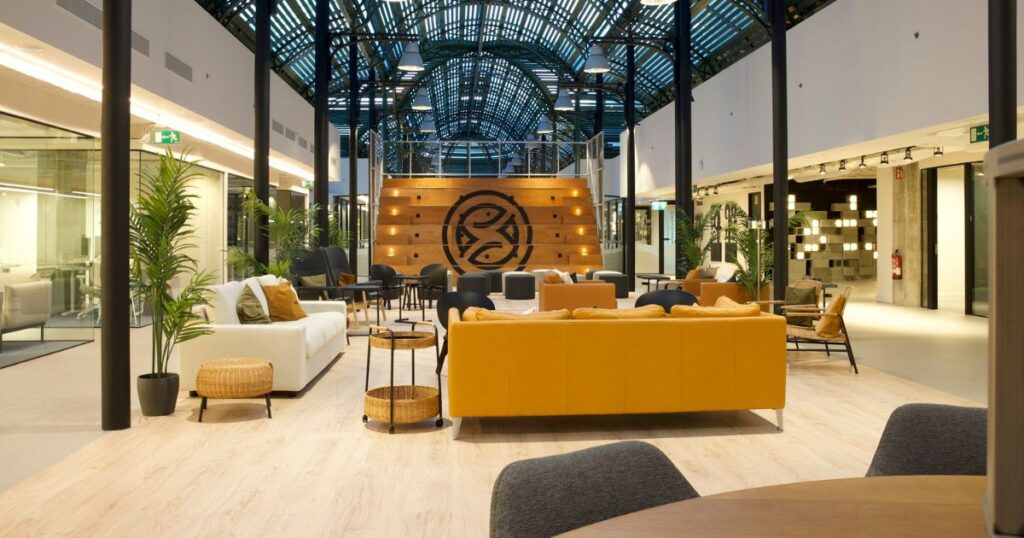
Great coworking space design is a mix of functionality, comfort and aesthetics. It should be aesthetically pleasing, but it should also function properly on a daily basis.
Properly balance open and private spaces.
Having too many desks open can cause the room to be noisy. Excessive private rooms may create a sense of isolation.
A balanced co-working space should have a combination of:
- Open desks
- Dedicated desks
- Private offices
- Meeting rooms
- Phone booths
- Quiet zones
- Lounge seating
- Common areas
This combination is suitable for the various needs and work styles.
Use Natural Light

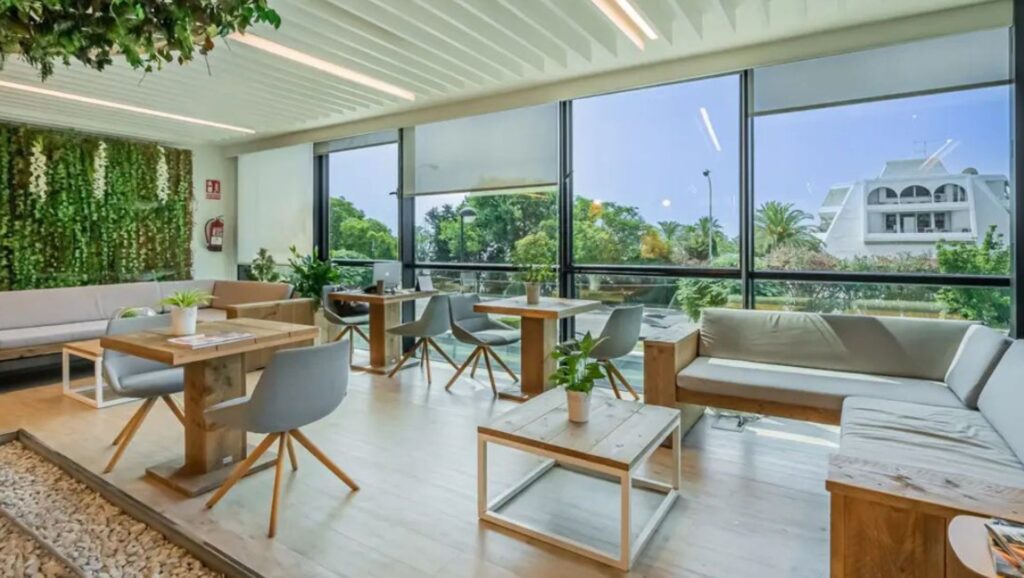
One of the most valuable attributes in office design is natural light. It makes a space look bigger, brighter and welcoming.
To improve natural light:
- Place work areas near windows
- Use glass partitions
- Don’t obstruct windows with high furniture
- Opt for lighter wall colors
- Use reflective surfaces carefully
- Maintain open common areas.
Natural light also promotes good health. Members are more likely to enjoy a fresh, bright and comfortable workspace.
Control Noise From the Start
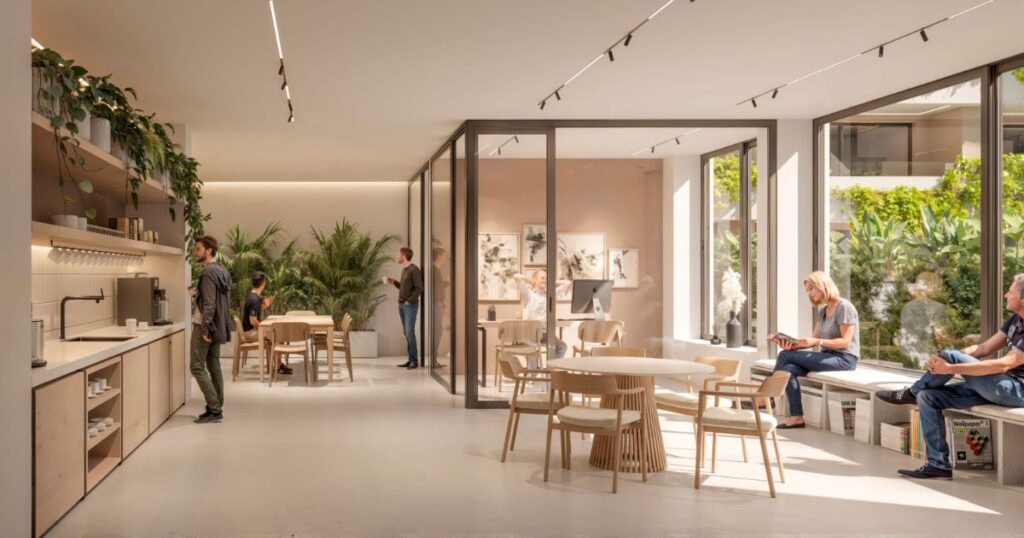
Noise control is essential for any coworking environment. Acoustic issues can be costly after the space is completed.
Acoustic solutions are:
- Acoustic panels
- Ceiling baffles
- Tiles or rugs made of carpet
- Upholstered furniture
- Curtains
- Phone booths
- Soundproof meeting rooms
- Soft lounge seating
- Bookshelves
- Movable partitions
When it comes to private offices and meeting rooms, construction details count. Sound privacy is influenced by doors, walls, ceilings and seals. Thin partitions may be adequate for a room that looks finished, but it won’t feel private.
Choose Modular Furniture
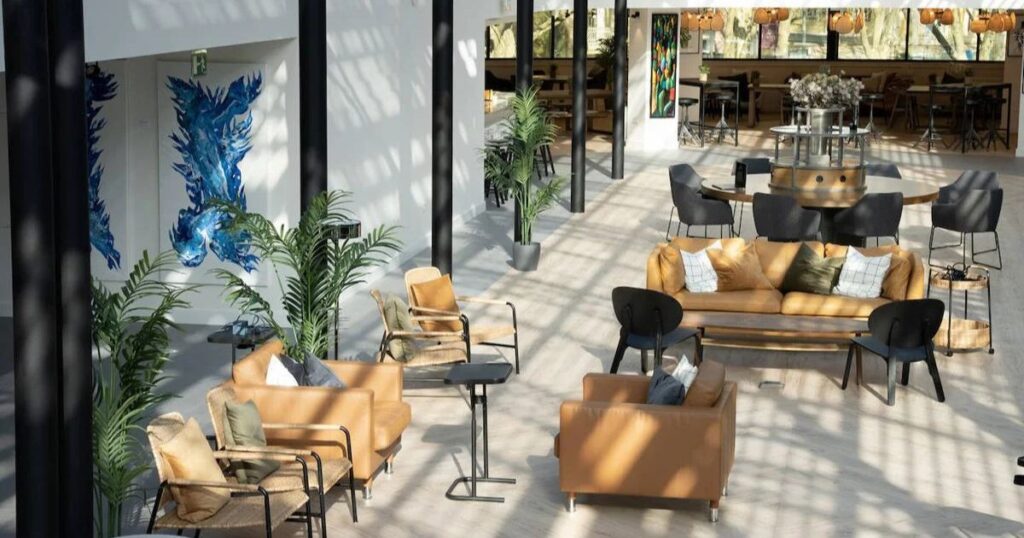
Modular furniture allows the space to evolve over time. It is a must in coworking spaces, as member needs may change.
Modular furniture can be used for:
- Events
- Team work
- Workshops
- Open desks
- Training rooms
- Project areas
- Temporary layouts
It also assists operators to save money since furniture can be used in various ways.
Make Technology Reliable
Reliable technology is a must for a coworking space. Members are looking for high-speed Wi-Fi, a secure network, straightforward booking process, and convenient payment options.
Essential technology includes:
- Fast wifi
- Backup internet
- Secure guest networks
- Access control
- Smart locks
- Room booking software
- Video conferencing systems
- Printers and scanners
- Payment processing tools
- Digital visitor check-in
Planning for technology should be done during the construction and fit-out. Prior to the opening of the space, the power, the cabling, the screens, the access points and the data infrastructure need to be properly installed.
The furniture, lighting and materials for coworking spaces.
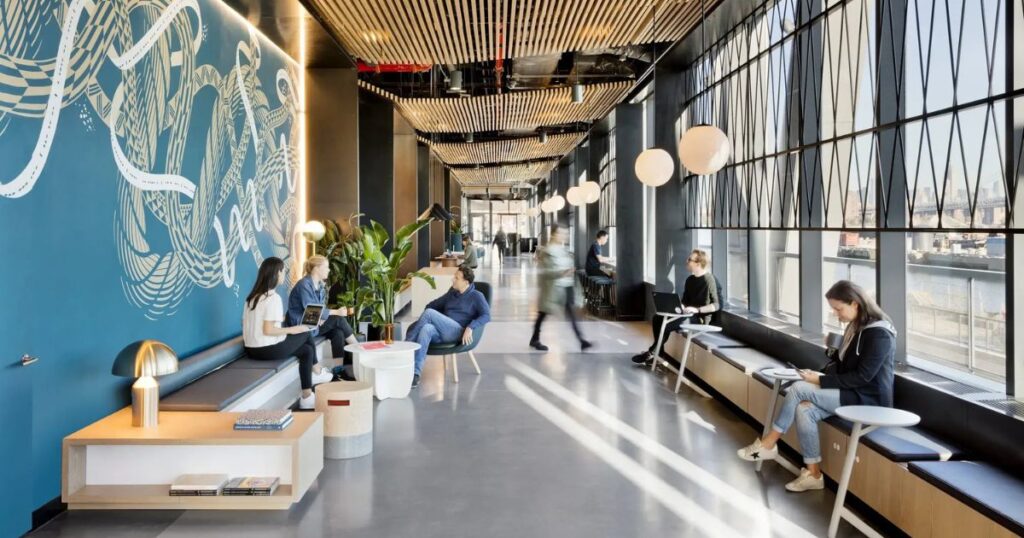
The appropriate furnishings, illumination and materials make the coworking area more comfortable and lasting.
The Best Furniture For Coworking Space Design
Select furniture that can endure everyday wear and tear. A coworking space is more dynamic than a traditional office, and durability is crucial.
Useful furniture includes:
- Ergonomic chairs
- Modular desks
- Shared tables
- Individual workstations
- Lounge seating
- Stackable event chairs
- Lockers
- Storage cabinets
- Meeting room tables
- Movable whiteboards
- Mobile partitions
Comfort matters. If a good chair is uncomfortable after 30 minutes, it’s not a great investment.
Lighting for Productivity

A good lighting plan is multi-layered. Natural light should be the starting point,, but artificial light is also important.
Use:
- Ambient lighting (general brightness level)
- Task lighting at desk and workstations
- Branding and aesthetic accent lighting.
- Lounge area soft lighting
- Evenly lit meeting rooms
Don’t have bright lights, dark corners or bad lighting in phone booths. A modern space can feel exhausting due to poor lighting.
Materials and Finishes
Materials should be of the same brand and intensity of use. For high-traffic zones, opt for finishes that are easy to clean and maintain and will stand up to wear and tear.
Good options include:
- Durable flooring
- Washable wall finishes
- Wood accents
- Glass partitions
- Acoustic wall panels
- Metal details
- Natural fabrics
- Low-maintenance surfaces
Warm Mediterranean-style materials, natural textures and soft neutral colors can also be advantageous for a high quality co-working space in Marbella.
Facilities that enhance the Coworking Experience
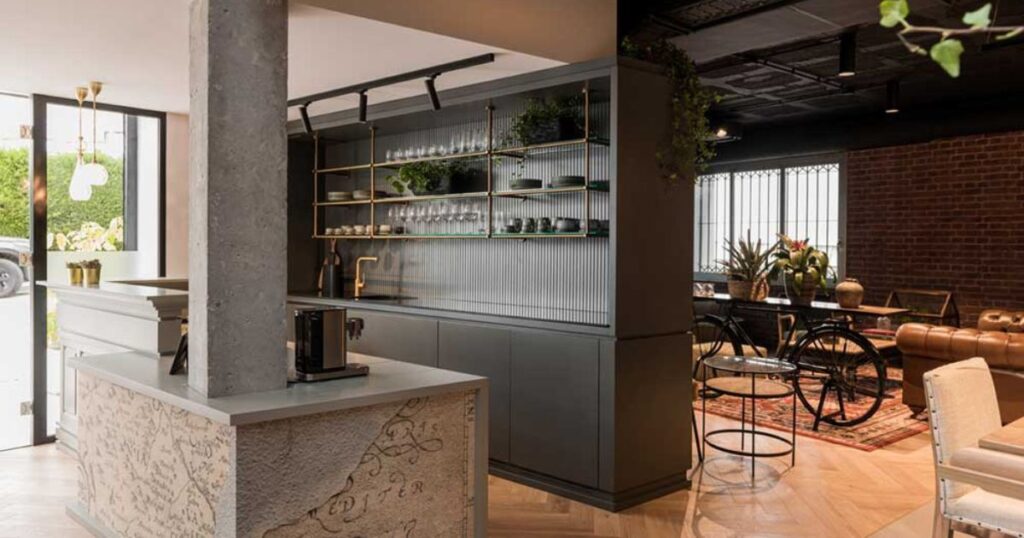
Amenities make the difference in making a place members like. They also provide productivity, comfort and networking opportunities.
Important amenities include:
- Coffee machines
- Filtered water
- Tea and snacks
- Kitchen area
- Lockers
- Mail handling
- Printing services
- Phone booths
- Wellness room
- Bike storage
- Outdoor seating (if available)
- Showers, if suitable
- Community boards
- Lounge areas
Coffee areas are particularly compelling, as they provide for natural networking opportunities. They tend to gather in shared spaces, discuss and share ideas.
Outdoor space can also contribute to the value in Marbella. When done right, terraces, patios and shaded seating can enhance the member’s experience.
Coworking Space Design for Productivity and Well Being
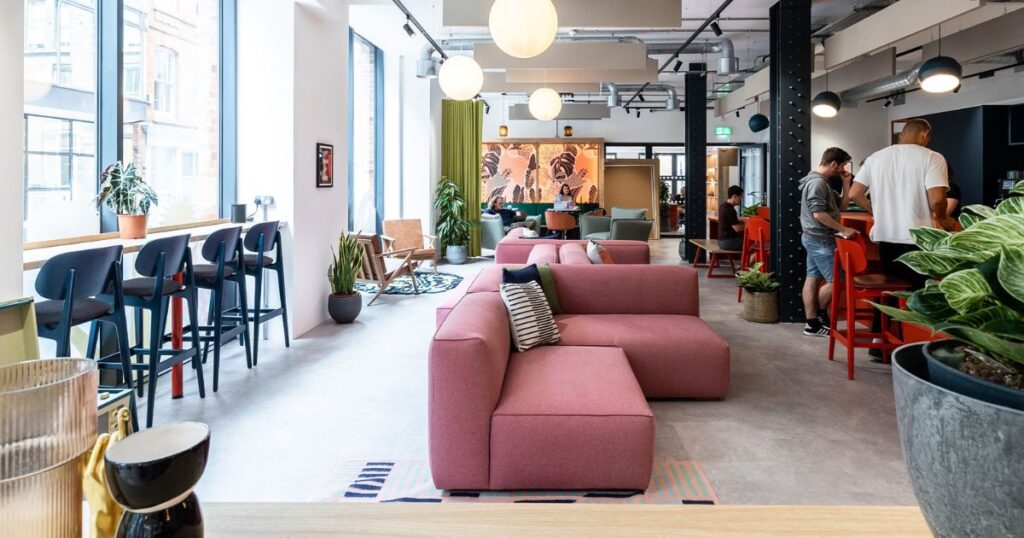
Work is easier in a productive co-working space. Members should be able to come in, get connected, concentrate, get together and unwind without hassle.
To improve productivity:
- Minimize distractions by creating quiet areas and acoustical design.
- Provide a variety of seating choices to accommodate different working styles.
- Enable deep working with individual work spaces.
- Facilitate collaborative work through meeting rooms and collaboration spaces.
- Enhance comfort by using ergonomic furniture and task lighting.
- Design breaks (lounges and common areas).
- Avoid unnecessary movement; maintain simple and clear pathways and signage.
Well being should also be a part of the design. The use of natural light, fresh air, plants, comfortable furniture and quiet zones can help to make the space a healthier and more pleasant environment.
The design of Coworking Space for Community and Networking
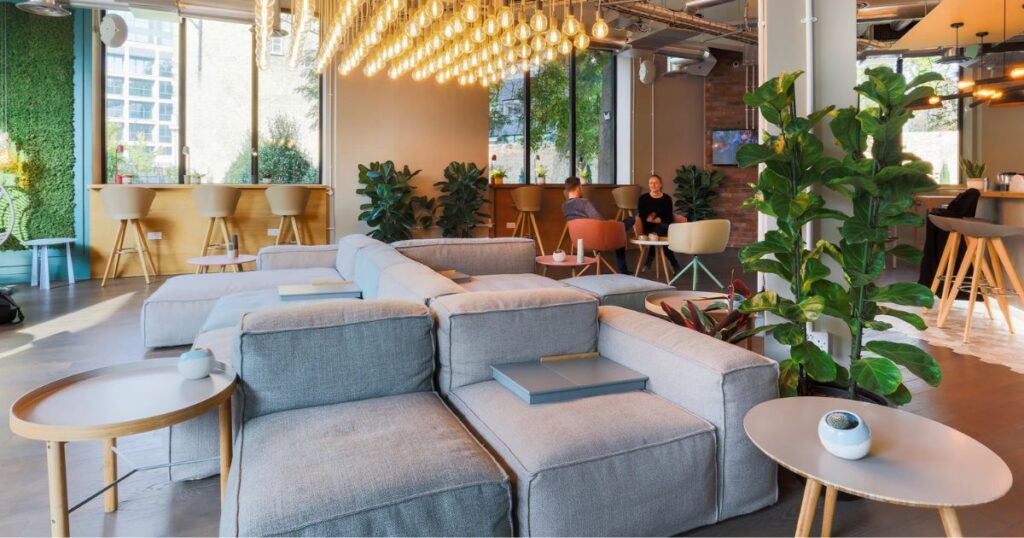
Coworking spaces are supposed to be a place where people can meet, but not necessarily interact. Good design affords opportunities for networking, naturally.
Community supporting design ideas are:
- Comfortable common areas
- Shared work tables
- Lounge seating
- Coffee points
- Event spaces
- Community boards
- Member display walls
- Workshop rooms
- Open social areas
Practical support is required for networking events. Think about registration, visitor access, seating, AV equipment, food and drink, and flexible furniture.
Yet, at the same time, there is still privacy. Some members need social interaction, others need concentration. The ideal coworking space design promotes both.
Coworking Space Construction and Fit-Out Considerations.
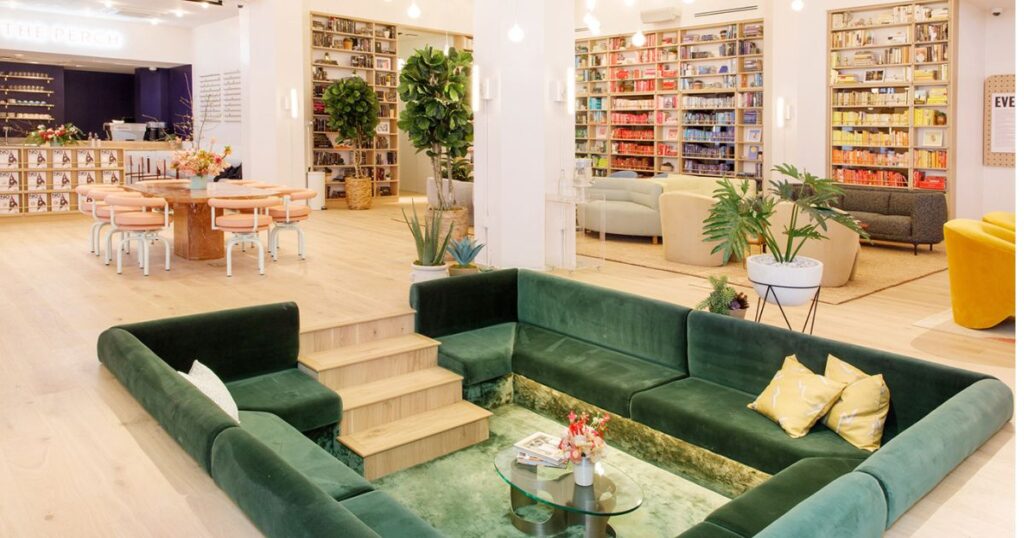
A coworking space isn’t only an interior design project. It is also a construction and fit-out project. The quality of the construction is related to comfort, safety, acoustics, technology, and long-term maintenance.
Marbella Constructions can assist with coworking projects with services like:
- Commercial construction
- Office renovation
- Coworking space fit-outs
- Partition installation
- Meeting room construction
- Lighting installation
- Flooring and ceiling works
- Electrical and data preparation
- Acoustic improvement works
- Buildout of kitchens and common areas
- Project coordination
- Interior finishing
Planning for construction can prevent common issues, including inadequate power outlets, inadequate soundproofing, insufficient lighting, poor air circulation, and insufficient storage.
A co-working area should also be designed for future change. Movable partitions, modular layouts, flexible wiring and multi-use rooms facilitate adaptation to the growth of the business.
The Top Coworking Space Design Pitfalls to Avoid
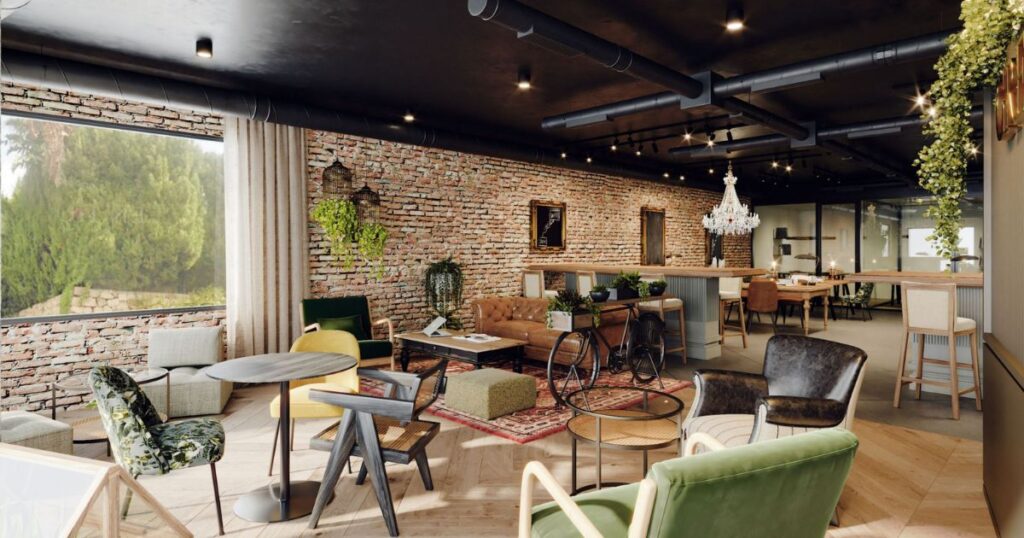
Even the most beautiful co-working spaces can fail if they don’t pay attention to practicalities.
Avoid these mistakes:
- Too few open desks: This results in noise and lack of comfort.
- Insufficient meeting rooms: Members require private rooms for calls and clients.
- Noise can have a negative impact on concentration and privacy; poor acoustic planning.
- Weak wifi: Members will not put up with unreliable Internet.
- Poor lighting: Bright or dim lighting has an impact on comfort.
- No quiet zones – many users require focused work areas.
- Low quality chairs and desks lead to less satisfaction – cheap furniture.
- Lack of access control: Security is important for members and visitors.
- No storage: Messy common areas due to lack of storage.
- Rigidity: It is difficult to make changes in the future with fixed layouts.
A practical rule is simple: design for real daily use, not just for photos.
Coworking Space Design Checklist.
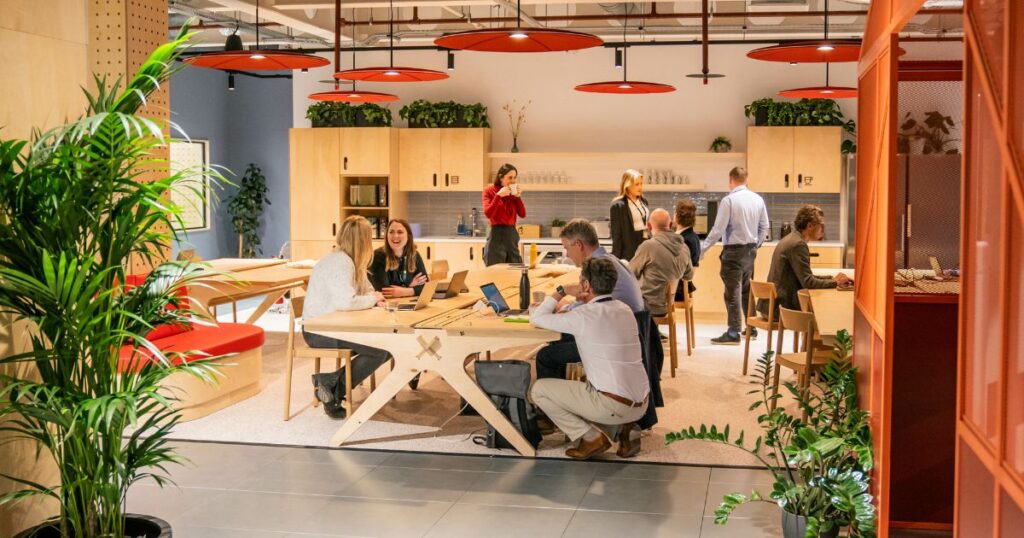
Before beginning a construction or remodeling project for a co-working space, take a look at this checklist.
Layout Checklist
- Reception area
- Open desks
- Dedicated desks
- Private offices
- Quiet zones
- Meeting rooms
- Phone booths
- Lounge
- Event spaces
- Kitchen/cafeteria area
- Storage
- Restrooms
- Clear walkways
Construction Checklist
- Wall and partition plan (plan).
- Acoustic treatment
- Electrical layout
- Data and wifi planning
- Lighting plan
- Flooring selection
- Ceiling works
- Heating, ventilation and air conditioning
- Access control points
- Fire safety and exits
- Accessibility requirements
Member Experience Checklist
- Fast wifi
- Comfortable seating options
- Natural light
- Coffee machines
- Easy booking
- Simple payments
- Clean common spaces
- Private workspaces
- Secure access
- Clear signage
FAQ: Coworking Space Design
What is coworking space design?
Coworking space design is the process of planning, building and fit-out a shared workspace. This encompasses layout, furniture, lighting, acoustics, technology, private offices, meeting rooms, quiet zones, event spaces, and common areas.
So what constitutes a good design for co-working spaces?
The ideal coworking space design is a blend of focus, privacy, collaboration, comfort and community. This should feature natural light, high-speed WiFi, quiet areas, meeting rooms, dedicated offices, modular furniture, security and convenient shared spaces.
What makes a good co-working space?
Start by defining your target members and business model. The next step is to study the building, develop a space plan, design the layout, plan construction works, select furniture, integrate technology, enhance acoustics, and develop comfortable common spaces.
What is the significance of the quiet zones in coworking spaces?
Quiet zones are used to focus and decrease stress for members. They’re particularly beneficial for remote workers, writers, developers, consultants, and those who require focused deep work.
What construction work is needed for a coworking space?
Partitions, private offices, meeting rooms, flooring, lighting, electrical, data cabling, acoustic panels, kitchen spaces, access control, bathrooms and interior finishes are all potential needs for a coworking space.
How can Marbella Constructions help with coworking space design?
Marbella Constructions can assist in the construction and/or refurbishment, office fit-outs, partitioning, lighting, flooring, acoustic works, project co-ordination and/or interior finishing of a property to create a functional coworking space.
Conclusion: Develop a Coworking Space That Functions
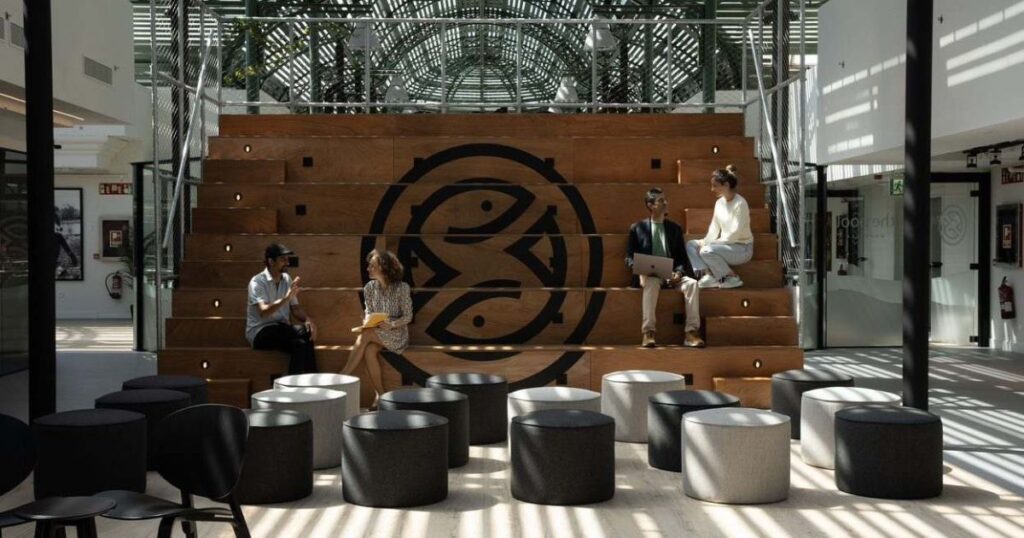
The winning mix of coworking space design includes smart planning, robust construction, flexible layouts, reliable technology, and comfortable interiors. It must accommodate open work, personal concentration, teamwork, client meetings, networking and daily work.
The design should also take into account the expectations of the local community, international guests, remote workers, digital nomads, and small teams for coworking spaces in Marbella. A well-designed, modern, flexible and bright coworking office can be a business asset.
Marbella Constructions can assist with the conversion of a commercial unit, refurbishment of an existing office or construction of a new shared workspace to deliver a functional, aesthetically pleasing, and long-term ready to use co-working space.
